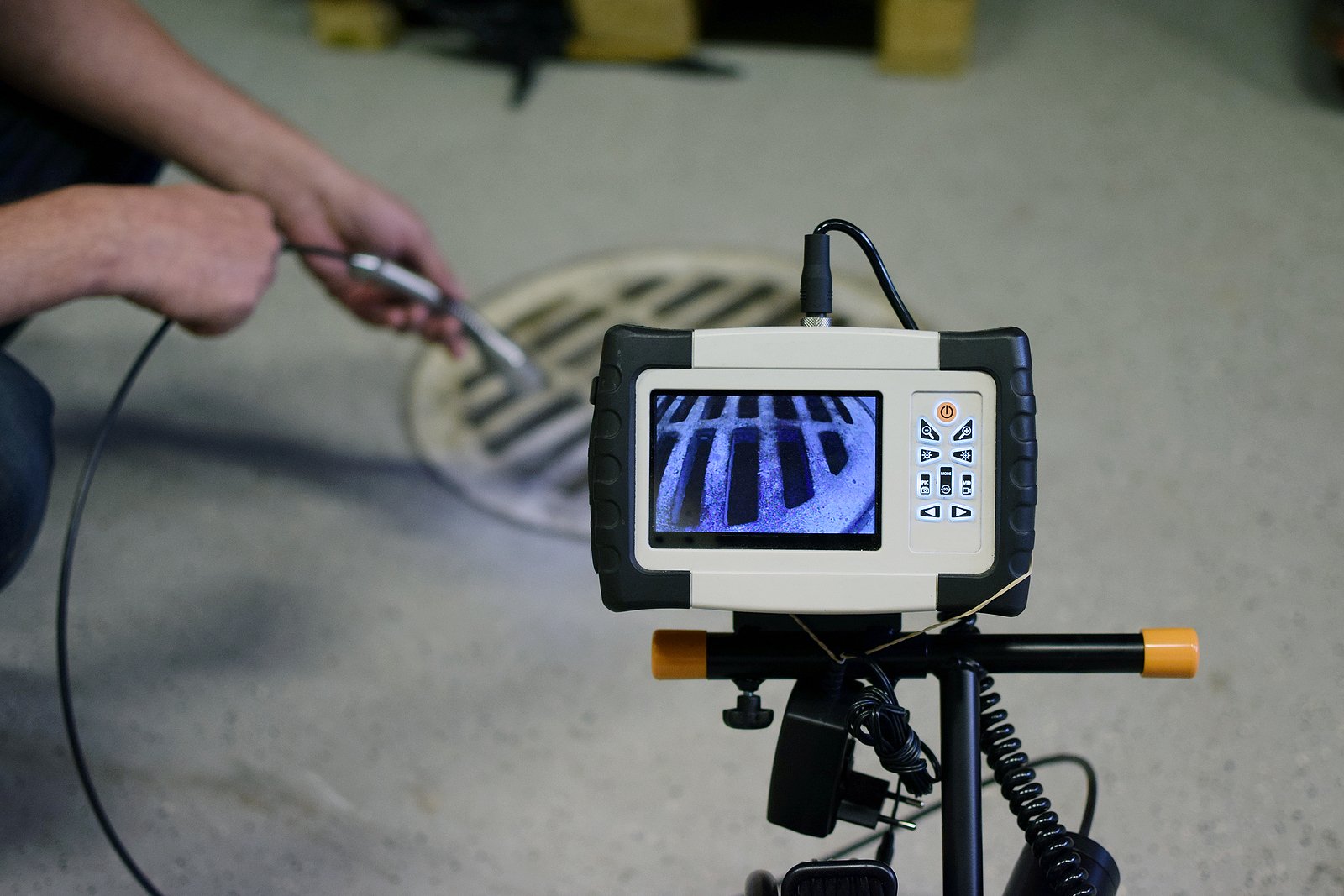
Plumbing problems rarely start where symptoms appear. A slow kitchen sink, a gurgling toilet, or water backing up in a basement drain often sends homeowners searching for fixes in the wrong place. Many people replace fixtures, clean drains repeatedly, or assume multiple small issues exist at once. Video inspection often changes that picture entirely.
In homes throughout Schererville and the surrounding areas, plumbing systems run beneath floors, behind walls, and under yards. Pipes connect rooms that seem unrelated. A blockage, crack, or shift in one section can create problems somewhere else in the house. Video inspection gives a clear view inside those pipes, helping explain why plumbing issues appear far from their true source. This approach saves time, avoids guesswork, and prevents unnecessary repairs.
How Plumbing Systems Connect the Entire House
Every drain, toilet, and appliance ties into a shared network of pipes. Water flows through branch lines before reaching main sewer lines. Vent pipes balance pressure so water moves smoothly. A problem in one area can affect multiple fixtures without warning.
For example, a partial blockage in a main line may first show up as a slow tub drain upstairs. A cracked pipe under the yard may cause basement floor drain backups during rain. Without seeing inside the pipes, these connections remain invisible. Video inspection reveals how water actually travels through the system, helping explain why issues appear where they do.
Many homeowners assume plumbing works in isolation. In reality, the system behaves as one unit. Video inspection makes those hidden relationships visible.
Why Surface Symptoms Mislead Homeowners
Most plumbing problems show symptoms that feel localized. A clogged sink suggests a sink problem. A toilet backup suggests a toilet issue. These assumptions make sense, yet they often lead to repeated repairs that never solve the root cause.
Drain cleaners may improve flow briefly. Snaking a line may clear part of a blockage. The issue returns because the true problem sits farther down the system. Video inspection removes the guesswork by showing exactly where restrictions, damage, or buildup exist.
Seeing the pipe interior shifts the focus from symptoms to causes. Homeowners gain answers instead of temporary relief.
How Video Inspection Tracks Problems Across Multiple Fixtures
A single issue can trigger problems throughout the house. Video inspection helps track how that happens. A buildup near a pipe junction may affect several branch lines. Tree roots near the main line may cause backups in the lowest drain first, then spread upward.
Plumbers guide the camera through the system, watching how pipe conditions change from one area to another. That process explains why a bathroom drain clogs after the washing machine runs or why basement drains overflow during storms.
This information helps target repairs where they matter most instead of chasing symptoms room by room.
Why Older Homes Benefit Most From Video Inspection
Many homes in this area contain older plumbing materials and layouts. Clay pipes, cast iron lines, and early plastic piping age differently. Joints loosen. Pipes shift. Buildup forms slowly over decades.
Older systems often hide problems that surface repairs cannot fix. Video inspection shows cracks, corrosion, misaligned joints, and sagging sections that affect flow across the entire house.
Homeowners gain clarity about system health instead of guessing based on age or past repairs. That insight helps plan maintenance before emergencies occur.
How Yard and Foundation Issues Affect Indoor Plumbing
Outdoor conditions often cause indoor plumbing problems. Shifting soil, tree roots, and groundwater pressure affect underground pipes. A damaged section outside the home can create backups far inside.
Video inspection allows plumbers to follow the line from inside the house to the exterior connection. This view explains why drains slow after rain or why backups occur only at certain times.
Without video inspection, these issues remain hidden. Homeowners may blame fixtures or appliances when the real issue sits under the yard.
Why Repeated Clogs Signal Deeper Problems
Recurring clogs often indicate more than debris buildup. Pipe bellies, cracks, or poor slope slow water movement, allowing waste to collect repeatedly. Cleaning alone does not fix these conditions.
Video inspection identifies structural issues that create chronic problems. Once visible, plumbers can recommend solutions that restore proper flow instead of temporary clearing. This approach reduces frustration and helps homeowners avoid repeated service calls.
How Video Inspection Protects Finished Spaces
Finished basements and remodeled areas hide plumbing access. Tearing into walls or floors without clear direction risks unnecessary damage. Video inspection provides answers without invasive exploration.
Plumbers locate problems precisely before opening any surfaces. Homeowners protect finished spaces while still addressing the real issue. This method saves time, money, and stress while improving repair accuracy.
Why Accurate Diagnosis Prevents Unneeded Repairs
Replacing fixtures, installing new drains, or rerouting pipes without diagnosis often misses the mark. Video inspection ensures repairs address the correct section of the system.
Accurate diagnosis prevents replacing healthy components while damaged areas remain untouched. Homeowners receive solutions based on evidence, not assumptions. Clear visuals also help explain findings in plain language, building trust and understanding.
Common Hidden Issues Video Inspection Reveals
Video inspection frequently uncovers problems that explain symptoms across the house. These findings surprise many homeowners.
Common discoveries include:
- Tree roots entering sewer lines far from indoor fixtures
- Pipe sagging that traps debris and slows flow
- Cracked pipes leaking soil into the system
- Grease buildup at pipe junctions
- Collapsed sections affecting multiple drains
Identifying these issues early helps prevent major backups and water damage.
How Video Inspection Improves Long Term Plumbing Health
Understanding the true condition of plumbing lines allows homeowners to plan ahead. Video inspection provides a baseline for future maintenance and helps prioritize repairs.
Small issues addressed early prevent emergencies later. Homeowners gain confidence in their system rather than reacting to repeated surprises.
This proactive approach supports long term system reliability.
FAQs About Video Inspection and Plumbing Problems
Why does a problem in one room affect another area of the house?
Plumbing systems connect all fixtures. A blockage or defect in one section can disrupt flow throughout the system.
Does video inspection require digging or wall removal?
Video inspection uses small cameras inserted through existing access points, avoiding invasive work.
How long does a video inspection take?
Most inspections take under an hour, depending on system size and complexity.
Can video inspection find problems under the yard?
Cameras travel through underground lines, allowing plumbers to see pipe conditions beneath the yard.
Should video inspection happen before major repairs?
Video inspection helps ensure repairs target the correct problem, preventing unnecessary work.
Get clear answers about your plumbing system with video inspection from Reichelt Plumbing. Call (219) 322-4906 for expert service in Schererville and nearby areas.