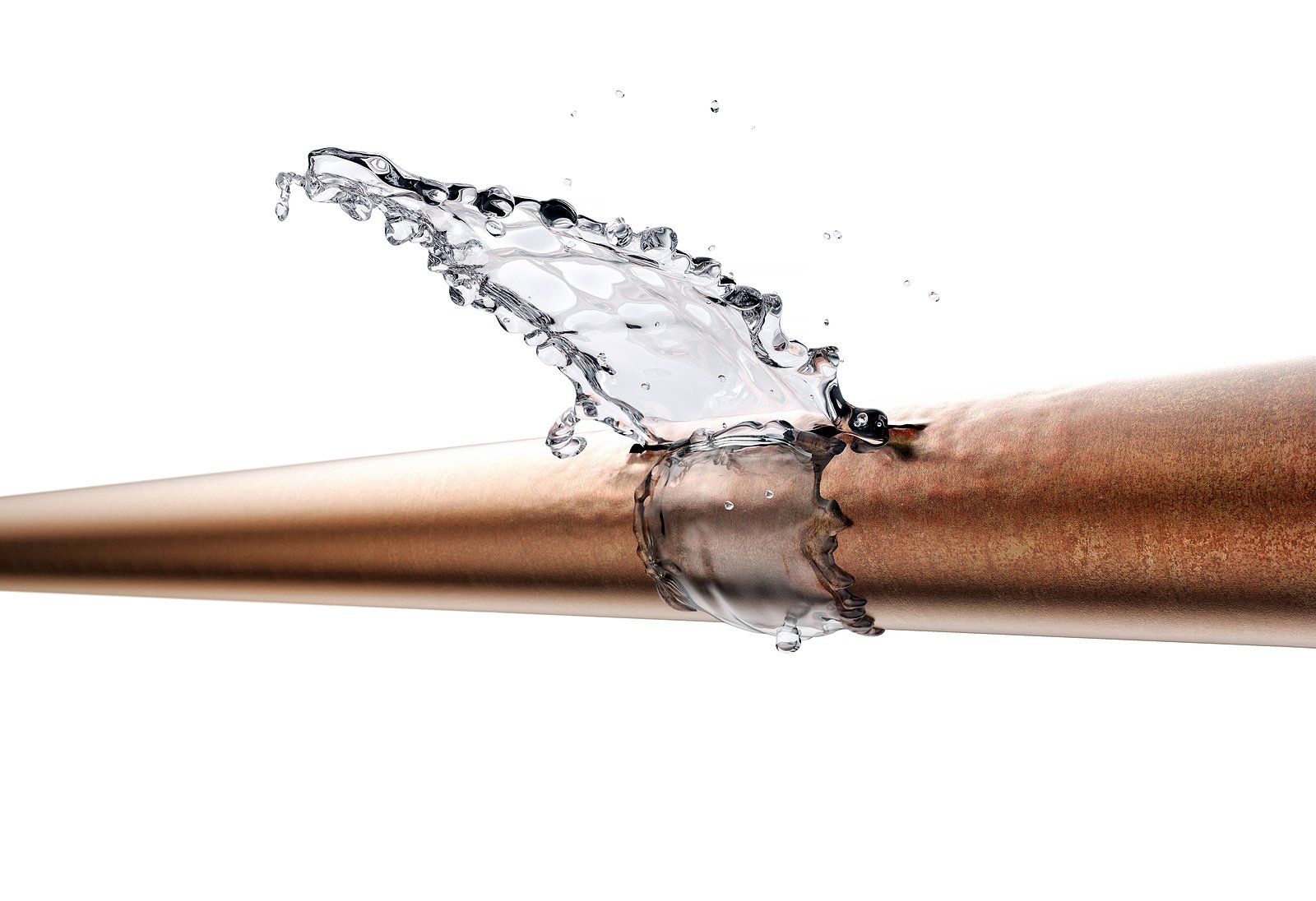
Many homeowners believe the most dangerous time for pipes comes during the coldest part of winter. That makes sense. Freezing temperatures put plumbing at risk. What surprises many people in Schererville and the surrounding areas is this: burst pipes often happen after the temperature climbs back above freezing.
You wake up to a warmer day. Snow starts to melt. The forecast looks better. Then a ceiling stain appears. Water drips from a light fixture. A basement wall starts leaking. The pipe did not burst at midnight during the deep freeze. It burst later, after things started to thaw.
Understanding why this happens helps homeowners respond faster and prevent severe damage.
Pipes Usually Crack While Frozen, Not While Flowing
Water expands when it freezes. That expansion creates pressure inside the pipe. If the water inside a section of pipe turns solid, pressure builds between the ice blockage and the closed faucet or valve.
The pipe often cracks during this frozen stage. The crack may stay sealed temporarily because the water inside remains frozen. You will not see leaking right away. The ice holds everything in place.
Once temperatures rise and the ice melts, water begins to flow again. That is when the crack opens fully and water escapes. The damage appears hours after the freeze has technically ended.
Thawing Creates Sudden Pressure Movement
During a freeze, water flow slows or stops in affected areas. Once thawing begins, water rushes back into that section of pipe. Pressure returns quickly.
A weakened pipe wall cannot handle the sudden change. Small cracks widen under restored pressure. A minor split turns into a full rupture. This explains why leaks often appear in the late morning or afternoon after temperatures improve. The pipe already suffered damage. Thawing reveals it.
Ice Blockages Trap Pressure in Unexpected Areas
Frozen water rarely freezes evenly along an entire pipe. Ice forms in specific sections, often near exterior walls, crawl spaces, or unheated basements.
When ice blocks one section, pressure builds behind it. The pipe may crack several feet away from where the freeze occurred. Homeowners sometimes search for frozen sections and miss the true break point.
Once the blockage melts, water finds the cracked section and escapes. The break may appear far from the coldest area.
Pipes Expand and Contract With Temperature Swings
Metal and plastic pipes both react to temperature changes. Cold causes contraction. Warmer temperatures cause expansion. This movement stresses joints and fittings.
A pipe that survived the freeze may weaken further during the warm up cycle. Expansion widens hairline cracks. Fittings loosen. Connections separate slightly. This stress adds to the damage already caused by frozen water.
Insulation Does Not Always Prevent Damage
Many homeowners insulate exposed pipes, which helps reduce freezing risk. Insulation slows temperature change but does not guarantee protection.
Prolonged cold penetrates insulation. Pipes may freeze slowly rather than quickly. That slower freeze often goes unnoticed. When thawing begins, homeowners assume insulation did its job. Hidden cracks remain inside the pipe.
Water Damage Often Starts Behind Walls
Burst pipes do not always spray water visibly into open spaces. Many breaks occur inside walls, ceilings, or under flooring.
When thawing releases water, it spreads behind drywall or under subfloors before becoming visible. You may not notice the problem until stains appear or flooring warps.
This delay makes burst pipes especially dangerous after freezing temperatures pass.
Outdoor Spigots and Hose Bibs Remain High Risk
Exterior faucets face direct exposure to winter weather. Even if you disconnect hoses, water may remain trapped inside.
The pipe behind the spigot may freeze and crack inside the wall. Thawing reveals the damage later, often long after the temperature rises.
Homeowners sometimes overlook these areas because they are not in regular use during winter.
Crawl Spaces and Basements Warm Slowly
Above freezing air temperatures do not immediately warm crawl spaces or basements. These areas may stay cold for hours.
Pipes may begin thawing unevenly. One section melts while another remains frozen. This uneven thaw increases pressure stress along the line. Damage becomes visible only after full thawing completes.
Small Cracks Turn Into Major Leaks Quickly
A pipe does not need to split wide open to cause damage. Even a small crack can release gallons of water over several hours.
Because thawing often happens during the day while homeowners are away, leaks may continue for hours before discovery. Fast response once you notice signs of leaking limits damage significantly.
Warning Signs After a Freeze
After temperatures rise above freezing, watch for signs that suggest pipe damage.
Common warning signs include:
- Reduced water pressure in certain fixtures
- Water stains on ceilings or walls
- Unusual dripping sounds inside walls
- Damp insulation in basements
- Puddles near foundation walls
Taking action at the first sign prevents more serious damage.
Why Immediate Action Matters
Once you suspect a burst pipe, shutting off the main water supply stops further flow. This simple step limits damage dramatically.
Calling a professional quickly ensures proper repair and inspection of nearby sections. Plumbers check surrounding pipes for additional weak spots caused by freezing.
Fast repair protects the structure of your home and prevents mold growth.
Common Freeze Related Pipe Issues in Schererville Area Homes
Homes in this region face repeated freeze and thaw cycles during winter. These shifts increase plumbing stress.
Common freeze related problems include:
- Split copper pipes along exterior walls
- Cracked PVC lines in crawl spaces
- Burst supply lines behind kitchen cabinets
- Frozen pipes near foundation areas
- Outdoor faucet pipe failures
Preparation helps, but awareness after thawing remains just as important.
Prevention Reduces Risk but Cannot Eliminate It
Homeowners can reduce freeze risk by insulating pipes, sealing drafts, and keeping consistent indoor heat. Allowing faucets to drip during extreme cold also helps relieve pressure.
Despite these efforts, unexpected freezes can still cause damage. Monitoring pipes during thaw periods gives you the best chance to catch problems early.
The Real Danger Comes After the Freeze
The cold creates the crack. The thaw reveals it. That simple sequence explains why so many burst pipes surprise homeowners during warmer daytime hours.
Staying alert after temperatures rise protects your home far more than assuming the danger has passed.
Frequently Asked Questions
Why did my pipe burst after the temperature went above freezing?
Pipes often crack while frozen but begin leaking once thawing restores water flow and pressure.
How long after a freeze can a pipe burst?
Leaks may appear several hours after temperatures rise as ice melts inside the pipe.
Should I check pipes once the weather warms up?
Yes. Inspect exposed areas and watch for pressure changes or moisture signs.
Does insulation guarantee pipes will not freeze?
No. Insulation reduces risk but cannot prevent freezing during prolonged cold.
What should I do if I suspect a burst pipe?
Shut off the main water supply immediately and contact a professional plumber.
Suspect a burst pipe after a freeze? Call Reichelt Plumbing at (219) 322-4906 for fast plumbing repair in Schererville.