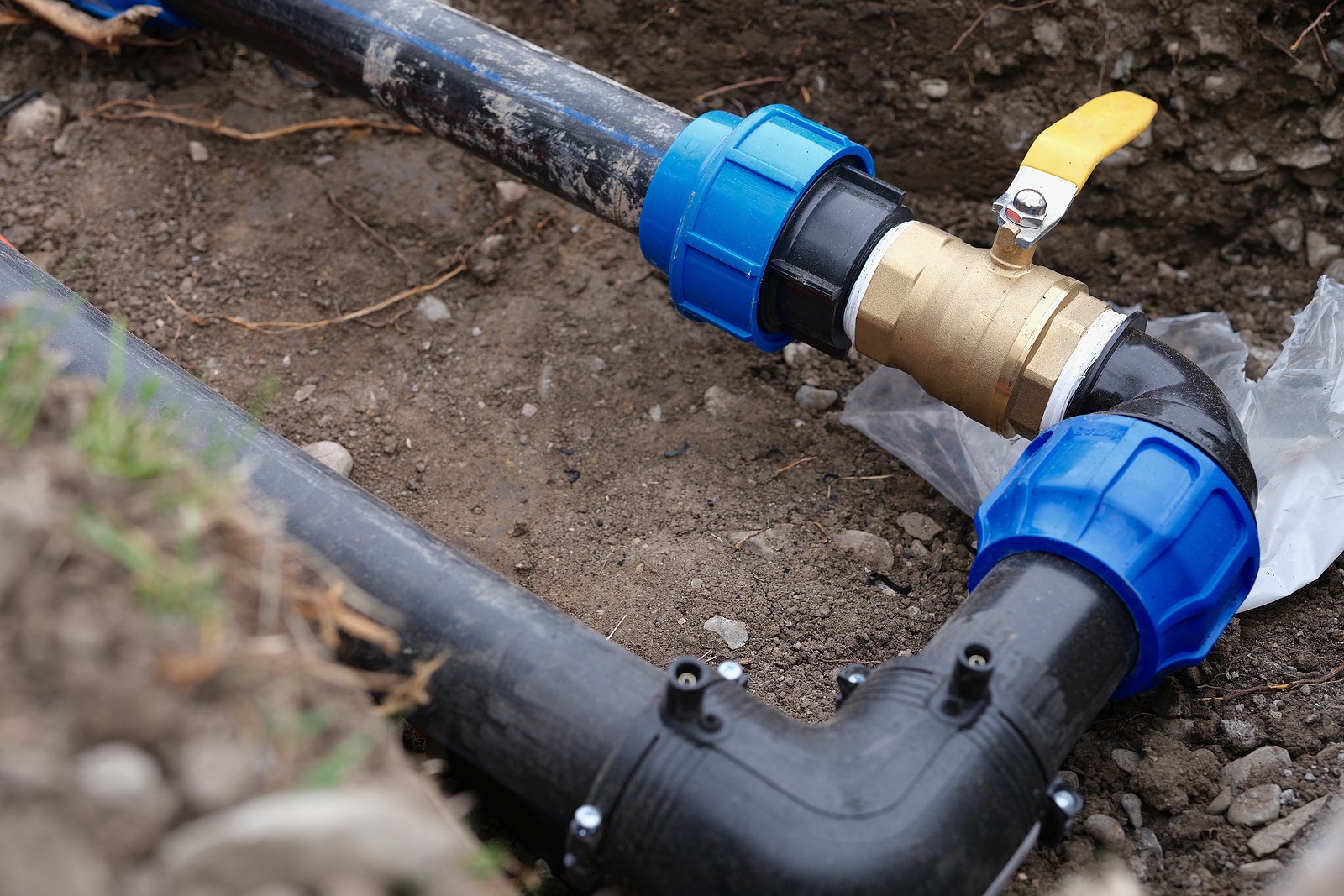
Pipes bang. Faucets rattle. The lights flicker when the washing machine kicks on. That racket points to water hammer and pressure spikes inside your plumbing. A valve snaps shut, the moving water slams to a stop, and the shock shakes the whole line. High street pressure can add fuel to the problem and stress every fixture in the house. You don’t have to live with it. You also don’t need a bag of gimmicks that work for a week and fail. This guide lays out clear steps Schererville homeowners can follow to diagnose the noise, calm the system, and meet plumbing code. You’ll see how to check pressure with a $15 gauge, where arrestors make a real difference, why a pressure-reducing valve (PRV) sets the tone for the whole home, and how an expansion tank protects your water heater. Use this as a plan you can act on today and know exactly what to ask for when you call Reichelt Plumbing at (219) 322-4906.
What Creates Water Hammer And Pressure Spikes
A quick-closing valve stops water in motion. The moving mass of water hits that closed valve like a car hitting a wall. That shock wave travels back through the pipe and makes the “bang.” Common triggers in Schererville homes:
- Appliances with fast solenoids: washing machines, dishwashers, fridge ice makers.
- Single-handle faucets: snap shut with a short handle throw.
- High static pressure: street pressure in some neighborhoods sits well above 80 psi, which many codes flag as too high for a home.
- Loose or poorly supported pipes: pipes jump against studs or joists.
- Long straight runs: the longer the run, the more momentum the water builds.
- Closed plumbing systems: a PRV or backflow device keeps expanding hot water trapped with nowhere to go.
Each factor adds to the jolt. Fixes fall into two buckets: reduce the shock at the source and give the line a place to absorb what remains.
Easy Checks You Can Do Today
Grab a notepad and take five minutes:
- Listen and locate
Run a faucet, then snap it shut. Try the washing machine fill cycle. Note where you hear the loudest bang. Basement? Upstairs bath? Near the water heater? - Check static pressure
Pick up a hose-bib gauge at a hardware store. Screw it on a laundry faucet or outside spigot. With no water running, read the number. Good house pressure usually lands around 50–60 psi. Numbers near or past 80 psi call for a PRV and thermal expansion control. - Look for loose pipes
Open the utility room or basement ceiling. Press on the hot and cold lines. Lines should feel firm and well-strapped, not free to slap wood. - Note appliance types
Write down if your washer, dishwasher, and ice maker are newer models with fast fill valves. These benefit most from arrestors at the connection point. - Check the water heater area
Look for a small tank tee’d into the cold line above the heater. That’s the thermal expansion tank. Tap it. It should feel air-cushioned on top and heavier near the bottom. A tank that feels full top to bottom may have a failed air charge.
These notes help a tech fix the root cause on the first visit.
Quiet Fixes That Meet Code And Last
Set House Pressure With A Quality PRV
A pressure-reducing valve on the main line sets a healthy baseline across the home. We dial most homes to 55–60 psi. Fixtures run smoother, pipes stop whining, and shock loads drop. A good PRV offers a stable setting and rebuild parts down the road. It installs near the meter or where the main line enters the house.
Add Water Hammer Arrestors At Fast-Closing Valves
Install listed, sealed water hammer arrestors (look for ASSE 1010 on the label) right at the washing machine, dishwasher, and other quick-closing points. These units use a built-in air cushion that absorbs the shock when a valve snaps shut. They thread in at the hose or supply line and take minutes to service.
Control Thermal Expansion With A Properly Sized Tank
A PRV creates a closed system. As hot water expands during a heating cycle, pressure climbs. A thermal expansion tank on the cold inlet of the water heater acts like a shock absorber for heat cycles. We set its air charge to match your house pressure and size the tank to your heater and usage.
Strap And Isolate Pipes
Secure loose copper or PEX with cushioned clamps. Add isolation where lines pass through studs or joists. This stops the wood-on-copper slap that turns small pressure swings into loud thumps.
Tame Velocity
Smaller pipes push water faster and hit valves harder. Where practical, we upsize long runs that feed quick-closing fixtures and adjust flow at stops. Right-sizing keeps water speed under control and cuts noise.
Placement Matters: Where Each Part Does The Most Good
- PRV: on the main cold line, after the meter. This protects every fixture and appliance.
- Thermal expansion tank: on the cold inlet above the water heater, oriented per the manufacturer’s instructions.
- Arrestors: as close as possible to the quick-closing valve, washer box, dishwasher stop, fridge supply, or under-sink stops for fast single-handle faucets.
- Straps and clamps: within a few feet of each bend and at code-spaced intervals along straight runs, with extra attention near valves and the water heater.
This layout calms the system from the street to the last faucet.
Step-By-Step Game Plan We Use In Schererville Homes
- Measure static and flowing pressure at two points.
- Inspect the main, heater, and branches for support and contact points.
- Map noise hotspots by running fixtures in a set order.
- Set the baseline with a PRV if pressure runs high.
- Install a charged expansion tank on the water heater.
- Fit arrestors at the washing machine and dishwasher first; add more only where needed.
- Secure and cushion lines near the loudest spots.
- Retest with the same flows and record the change.
- Show you how to read the gauge and how to keep an eye on the system.
You get a calm, code-compliant system without guesswork.
Common Mistakes That Keep The Noise Alive
- Homemade air chambers
A vertical stub of pipe traps air for a short time and then fills with water. Noise returns fast. Use the listed arrestors that keep their cushion. - Arrestors far from the valve
A device across the room can’t soak up the jolt at the source. Move it to the valve or add one at the box. - Skipping the PRV
Arrestors won’t cure chronic high pressure. Set the house pressure first. - Dead expansion tank
A water-logged tank turns solid and can’t absorb thermal growth. Check the air charge each year. - Loose pipes left alone
Even perfect pressure bangs loose lines. Strap them.
Special Cases We See Often
Tankless water heaters
Many models need a stable inlet pressure to modulate well. A PRV plus a charged expansion tank on the cold line smooths flow and cuts chatter.
Multi-story homes
Upper floors often bang more because water picks up speed on long drops. Arrestors and solid support near the top floor fix that.
Older copper with long runs
Copper carries shock well. Combine PRV, arrestors, and cushioned clamps. Avoid metal-on-wood contact.
Well systems
If you run on a well with a pressure switch and tank, set the cut-in/cut-out range right and check the tank air charge. Many “hammer” calls on wells turn out to be short-cycling pumps.
Maintenance That Keeps Things Quiet
- Pressure check: read the gauge every few months. A rising number points to a tired PRV or failed expansion tank.
- Expansion tank air charge: check yearly with the water off and the line drained. Set the charge to match your house pressure.
- Arrestors: inspect hose connections for the washer and dishwasher during filter changes or appliance service. Replace any unit that weeps.
- Straps and clamps: re-tighten any that loosen as wood dries and seasons.
These quick checks protect fixtures and extend the life of every valve in the house.
DIY Or Call A Pro?
You can strap pipes, screw on arrestors, and read a gauge with basic tools. A PRV or expansion tank needs to be cut into the main line, with proper support and code-compliant placement. Gas water heater work also needs clear safety steps. If you want quiet pipes without guesswork, call Reichelt Plumbing. Our Schererville crew sets pressure right, sizes and charges tanks, and places arrestors where they make the most impact.
FAQs: Water Hammer & High Pressure In Schererville, IN
1) What pressure should I aim for in my house?
Most homes feel great at 50–60 psi. Fixtures last longer and water runs smoothly. Numbers near or above 80 psi stress valves and break code in many areas.
2) Do I need arrestors on both hot and cold for my washer?
Yes. Washers use fast, hot and cold solenoids. Small, listed arrestors at each hose stop the jolt right where it starts.
3) Why did my system get noisy after a new water heater?
A fresh heater heats faster and expands water more often. If a PRV or backflow device sits on the main, add a charged expansion tank to absorb that growth.
4) Will PEX pipe solve water hammer by itself?
PEX flexes more than copper and helps, but it won’t cure high pressure or fast valve slam on its own. You still need a PRV, arrestors, and good support.
5) How do I tell if my expansion tank failed?
Tap it. A healthy tank feels hollow at the top and heavy at the bottom. If it feels solid all over or water drips from the air valve, ithas likely lost its air charge or bladder. Replace it and match the air charge to your house pressure.
Silence the bangs and protect every valve in your home. Call Reichelt Plumbing at (219) 322-4906 for water hammer and pressure control service in Schererville, IN. Our local team measures, sets, and installs the right mix of PRV, arrestors, expansion tank, and support so you get a calm system that lasts.