A sharp, rotten-egg odor drifting through a clean, dry basement rattles anyone. You mop the floor, take out the trash, light a candle, and the smell still creeps back. That scent often points to sewer gas sneaking through a dried-out trap or a loose seal. Basements in Schererville see long furnace seasons and low indoor humidity, so floor drains, unused bathrooms, and condensate lines dry out fast. Once the water barrier disappears, gas from the drain line has a clear path into the room. The good news: you can stop it with simple checks, small parts, and a few code-smart upgrades like trap primers and sealed lids. This guide lays out what to look for, how to quiet the smell today, and how to keep traps wet all year.
Sewer Gas 101: Why A Dry Basement Still Smells
Your plumbing relies on trap seals, the U-shaped water in a P-trap that blocks air from the pipe. No water in the trap means no seal. A dry trap in a floor drain, laundry standpipe, or rarely used bathroom lets sewer gas pass. Common reasons traps dry out in our area:
- Low winter humidity evaporates the trapped water in days or weeks
- Vent issues pull water out of traps during hard drainage events
- Condensate drains from furnaces and A/Cs don’t run in winter, so their little traps dry out
- Old floor drains sit under shelving or in corners and never see a splash
That smell can also come from failed gaskets on ejector pits, loose cleanout caps, or an uncapped toilet flange in an unfinished bath.
Quick Safety And Fast Relief
Act first, then diagnose:
- Ventilate the space. Run a fan at a window to pull air out.
- Confirm it isn’t natural gas. If you smell a skunky, sulfur odor near gas appliances, call your utility.
- Refill suspects: Pour a gallon of water into each floor drain, standpipe, and shower drain in the basement. Add a cup of mineral oil on top of the water in floor drains to slow evaporation.
- Check the ejector pit lid: Tighten bolts and make sure grommets seal the cords and pipes.
If the smell fades after refilling traps, you found the cause. Now keep those traps wet.
The Usual Offenders In Schererville Basements
Walk the space with a flashlight and a small cup of water. Focus on these:
- Floor drains near the water heater, furnace, or laundry
- Laundry standpipe behind the washer
- Furnace or A/C condensate line and its trap
- Basement bath rough-in (toilet flange under a cap, shower drain under a plate)
- Sewage ejector pit (should have a gas-tight lid)
- Cleanout caps on vertical stacks or near the floor
How to test: pour a cup of water into the drain. If you hear water splash and the smell drops, the trap was dry. If water backs up or drains slowly, the trap or line needs a cleanout.
Trap Primers: The Set-And-Forget Way To Keep Traps Wet
What a trap primer does
A trap primer feeds a small amount of water into a floor drain’s trap so the seal never dries. It keeps sewer gas out with no daily attention.
Common primer styles
- Pressure-drop mechanical primers: Tee off a nearby sink or toilet cold line. The tiny valve senses pressure changes when that fixture runs and sends a sip of water to the floor drain.
- Electronic timers/solenoids: A small control box opens a valve on a schedule (great for utility rooms with few fixtures).
- Fixture-integrated primers: Certain faucets or flush valves include a primer port.
Best places to use them
- Floor drains in utility rooms, mechanical rooms, basement baths, and garage drains
- Any floor drain that rarely sees water
Keys to a clean install
- Provide a shutoff and union so the primer can be serviced
- Include a backflow device where required
- Route the primer line above the trap and secure it so it doesn’t rattle
- Label the shutoff so no one turns it off by mistake during future work
A primer stops the drip-and-dry cycle that invites odors every winter.
Floor Drain Rescue: From Dry And Smelly To Quiet And Sealed
Take these steps to bring a floor drain back to life:
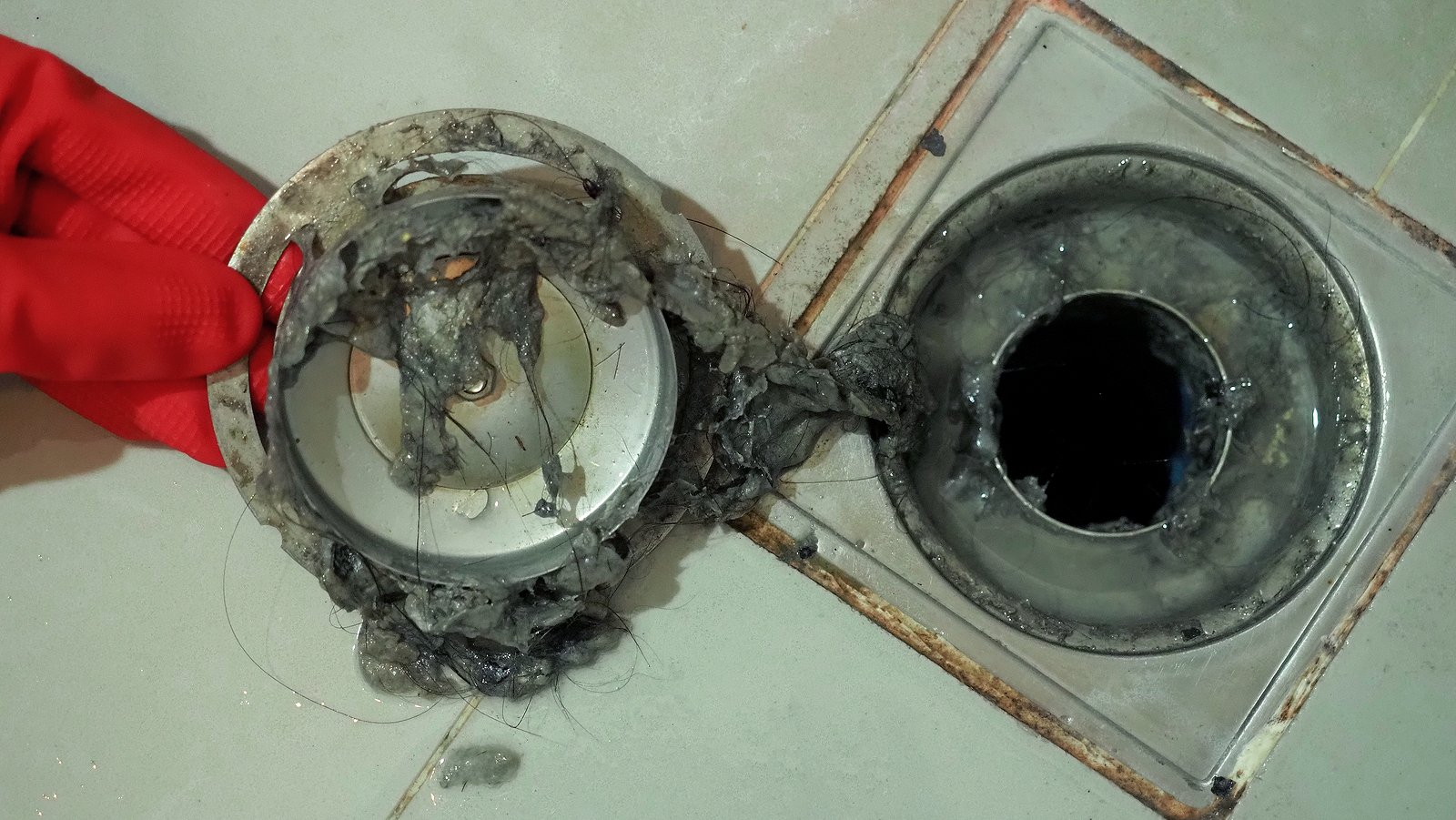
- Clean the cup
Remove the strainer. Vacuum out lint, hair, and grit. Scrub the trap inlet with a nylon brush. - Measure the trap seal
Shine a light into the drain. The top of the water should sit at least 2 inches below the rim and no more than 4 inches. A shallow seal dries out fast. - Refill and protect
Pour one to two gallons of clean water into the drain. Top with one cup of mineral oil to slow evaporation without hurting the pipe. - Add a trap seal insert (optional)
A silicone trap guard sits under the grate and lets water through while reducing evaporation and backflow odors. It doesn’t replace water in the trap, but it helps. - Prime it
Install a trap primer to keep that seal stable. Tie it to a nearby cold line or use a small electronic unit if no frequent-use fixture sits nearby. - Check the vent
Gurgling sounds after a big sink or tub dump signal a vent restriction that can pull traps dry. A camera or smoke test finds blockages.
Ejector Pits, Cleanouts, And Rough-Ins: Easy To Miss, Big Odor Makers
Sewage ejector pits
This basin handles waste from a basement bath or a low-floor drain. It must have a gas-tight lid, gasketed cord and pipe penetrations, and a vent tied into the plumbing vent system.
- Tighten lid bolts in a star pattern
- Replace grommets that have gone stiff or cracked
- Verify the vent pipe ties into the main vent, not left open in a joist bay
Unused toilet flange
A capped flange in a future bath can leak odor if the cap loosens.
- Use a solvent-weld cap or a bolted test cap rated for the line size
- Seal cracks in the subfloor around the pipe
Cleanout caps
Even a hairline gap at a floor cleanout lets odor out.
- Hand-tighten, then snug a quarter turn with a wrench
- Replace missing or cracked caps
Condensate Lines: Small Pipes, Big Odors
Your furnace and A/C drain produce water most during the cooling season. In winter, that line may sit idle. Without a built-in trap, the vented drain line can pull air into the basement.
- Confirm the condensate drain has a proper trap per equipment specs
- Clean algae and slime each spring
- Route the discharge to an approved drain with a trap seal, not into a bare standpipe that dries
Why Odors Often Spike After Stomachs Or Cold Snaps
- Barometric swings push air through weak seals
- Wind across the roof can create vent suction and siphon shallow traps
- Frozen or iced vent terminations block airflow and stress trap seals
- Sewer surges in older combined areas can raise line pressure briefly
A strong trap seal and a healthy vent handle those swings.
Care And Maintenance: A Five-Minute Monthly Routine
- Pour a gallon of water into every basement floor drain at the start of each month
- Add a cup of mineral oil to floor drains at the start of the heating season
- Run water in rarely used basement bathrooms for 30 seconds
- Test primers by running the linked fixture; look for a small trickle into the floor drain
- Sniff-test the ejector pit after a pump cycle; if you smell sewer, service the lid seals
- Peek at the roof vent during heavy frost; clear safe access only, or call a pro
Myths To Skip
- Bleach in the drain won’t fix dry traps and can corrode metals and harm septic bacteria
- Rock salt or baking soda piles don’t hold a trap seal
- Duct tape on a grate just moves the smell elsewhere and blocks drainage
Water in the trap, a working primer, and sealed lids solve the problem the right way.
When A Pro Makes Sense
Call a licensed plumber if:
- Odor returns within days of refilling traps
- Multiple drains gurgle after big fixtures drain
- You see cracks, loose hubs, or damp soil near a drain line
- The ejector pit lid or vent looks wrong or smells strongly
- You want a code-compliant trap primer installed and labeled
A pro will test venting, confirm trap seal depth, seal pits, and add primers where needed so the fix lasts.
FAQs: Sewer Gas Smells In Schererville Basements
1) How fast do floor drains dry out in winter?
Dry indoor air can pull a trap down in a few weeks. A shallow trap can dry in days. Primers and a cup of mineral oil slow that loss.
2) Can I pour cooking oil into a floor drain to slow evaporation?
Use mineral oil, not cooking oil. Cooking oil turns sticky and can smell. Mineral oil stays stable and sits on top of the water.
3) Do I need a trap primer on every basement drain?
Not always. Any drain that rarely sees water benefits from a primer. Utility rooms, mechanical rooms, and garage drains rank high.
4) Why does the smell get worse after a storm?
Pressure swings and wind over the vent can stress weak seals. A blocked vent or shallow trap makes it worse. Restoring trap seals and clearing vents stops it.
5) My ejector pit smells even with water in it. What now?
Check the lid. It should be gasketed, bolted, and sealed around every pipe and cord. Replace brittle grommets and confirm the pit vent ties into the plumbing vent.
Breathe easy again. Reichelt Plumbing installs trap primers, seals ejector pits, and fixes vent issues the right way. Call (219) 322-4906 for fast, code-smart odor relief in Schererville, IN.