Water heaters are essential for comfort and everyday living, but their safety depends on more than just the tank and heating element. Proper venting is one of the most critical parts of any gas water heater system. In many homes and businesses around Schererville, IN, undersized or poorly installed venting creates dangerous conditions that put people at risk of carbon monoxide exposure, poor performance, and even system failure.
Many property owners focus on the water heater itself, but venting is the silent partner that makes the entire system safe and efficient. Undersized venting can’t move harmful gases out of the building fast enough. Over time, this leads to a buildup of heat, moisture, and combustion byproducts that threaten both the plumbing system and the health of those inside. Understanding these risks and recognizing the warning signs helps keep your home or business safe.
What Venting Does in a Water Heater System
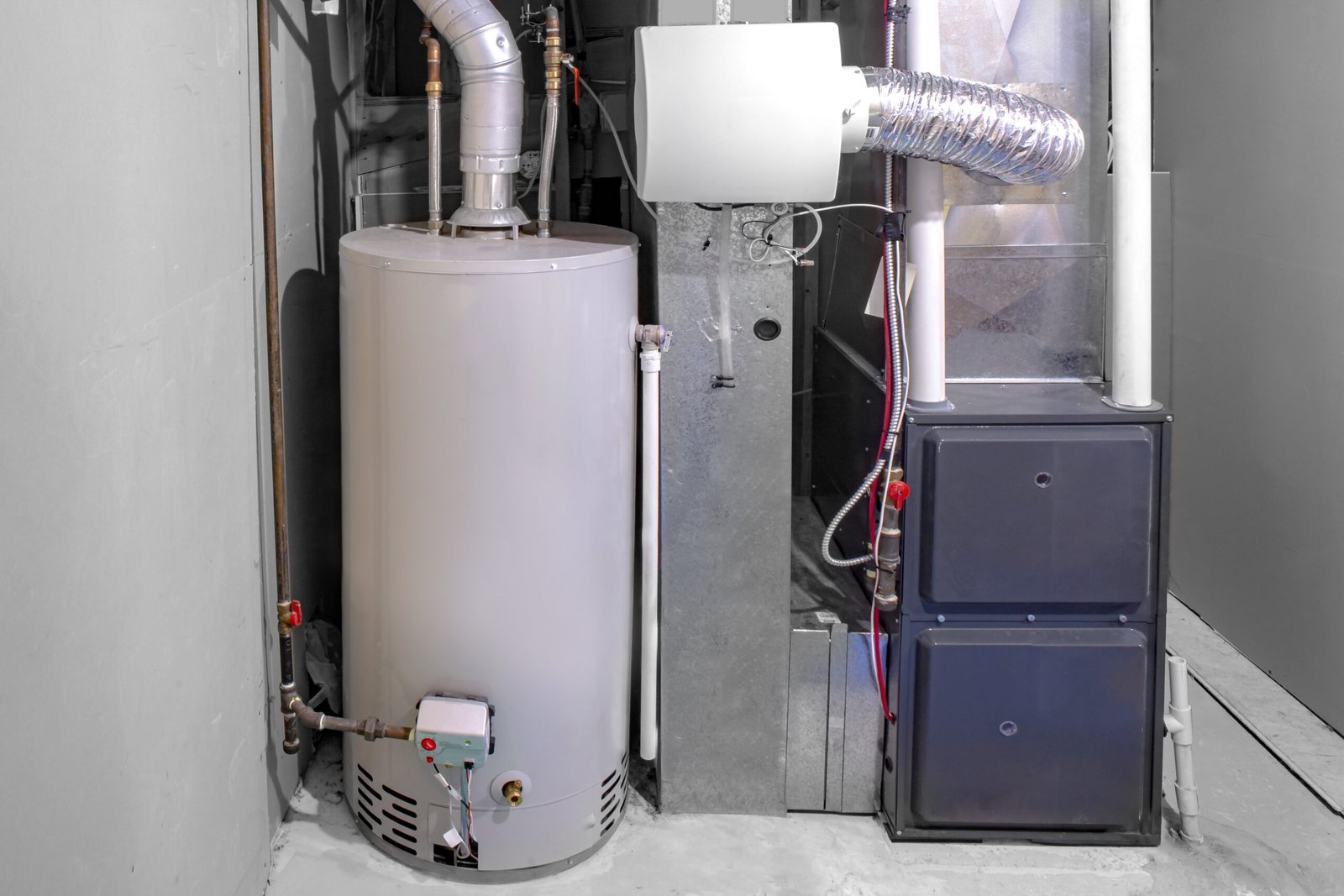
Gas water heaters burn fuel to heat water, and that process creates exhaust gases. Venting gives those gases a safe path to exit the home. Without it, toxic substances like carbon monoxide linger indoors.
Venting also keeps the water heater burning efficiently. A properly sized vent maintains steady airflow, allowing the burner to work at peak performance. If the vent is too small, gases move slowly, which disrupts the combustion process. This not only reduces hot water output but can also cause the water heater to shut down unexpectedly.
The venting system includes the flue pipe, connectors, and termination point outside the building. Each piece must be correctly sized and installed to match the water heater’s capacity. Skimping on vent size or using mismatched materials may look harmless, but it sets the stage for serious problems.
Why Undersized Venting Is Dangerous
Undersized venting traps combustion gases inside the water heater and the surrounding area. As pressure builds, it forces gases back into the home instead of releasing them outdoors. This is called backdrafting, and it is one of the most serious dangers of improper venting.
Backdrafting allows carbon monoxide, an odorless and deadly gas, to enter living spaces. Exposure can cause headaches, nausea, and confusion, and high levels can be life-threatening.
Heat buildup is another risk. Restricted airflow causes the flue and the water heater itself to overheat. This weakens metal components, shortens the lifespan of the unit, and increases the chance of cracks or leaks in the flue pipe.
Excess moisture is also a hidden issue. Without proper venting, condensation forms inside the vent pipe. This moisture corrodes metal parts, leading to rust and deterioration that weaken the system further.
Common Signs of Undersized Venting
Most property owners don’t notice vent problems until they become serious, but there are clear warning signs.
- Soot around the water heater: A sign of incomplete combustion.
- Condensation on the tank or vent pipe: Indicates poor airflow.
- Backdrafting odors: A faint burning or gas smell inside the home.
- Frequent shutdowns: The water heater turns off as a safety measure.
- Unexplained health symptoms: Headaches or dizziness that improve when outside.
If any of these signs appear, it is critical to have a licensed plumber inspect the venting system immediately. Small adjustments rarely fix the problem; a vent may need resizing or full replacement to keep the system safe.
How Vent Sizing Is Determined
Venting requirements are not one-size-fits-all. The correct vent size depends on several factors:
- Water heater capacity: Larger units produce more exhaust, requiring wider vents.
- Vent material: Metal, PVC, and other materials affect airflow differently.
- Length of vent run: Longer venting requires larger diameter pipes to reduce resistance.
- Appliances sharing a vent: Multiple gas appliances on one vent need extra capacity.
Building codes in Schererville and across Indiana provide clear vent sizing standards. Licensed plumbers are trained to calculate these requirements and choose materials that comply with both safety regulations and manufacturer specifications.
The Role of Professional Installation
DIY installation of water heaters often overlooks venting. Homeowners may assume the old vent is good enough for a new unit, but newer water heaters may have different requirements. Undersized venting from a past installation can quickly become a hazard once a new water heater is in place.
Professional plumbers not only size vents correctly but also ensure proper slope, secure connections, and safe termination points outdoors. They test the system after installation to confirm a safe draft and combustion. These details may seem small, but they are what protect families and businesses from hidden dangers.
Long-Term Risks of Ignoring Vent Issues
Ignoring undersized venting is not just a short-term safety risk; it has long-term consequences for the water heater and the property. Corrosion caused by condensation leads to leaks and early equipment failure. Excess heat damages insulation and nearby building materials, which can create fire hazards.
Insurance claims for carbon monoxide incidents or fire damage often uncover venting issues that void coverage. The cost of ignoring vent problems far exceeds the investment in proper installation and maintenance. For business owners, health risks and code violations can even result in fines or shutdowns.
How Reichelt Plumbing Protects Schererville Homes and Businesses
Reichelt Plumbing has been serving Schererville and the surrounding areas for more than three decades. Our team specializes in water heater installation, inspection, and repair with a focus on safety and code compliance.
We carefully inspect venting systems for size, material, and condition before recommending solutions. If resizing is required, we use industry-approved methods and high-quality materials to restore safe airflow. For property owners adding or replacing appliances, we design venting systems that meet today’s standards and prepare for future needs.
By choosing Reichelt Plumbing, you get more than a quick installation. You get the confidence that your water heater is running safely and efficiently, backed by licensed technicians who understand the importance of venting in every system.
FAQs About Water Heater Venting in Schererville, IN
Q1. Why is undersized venting dangerous for water heaters?
It restricts airflow, leading to backdrafting, carbon monoxide buildup, and overheating.
Q2. How can I tell if my water heater vent is too small?
Signs include soot buildup, condensation, odors, frequent shutdowns, and health symptoms like headaches.
Q3. Can I reuse my old vent when installing a new water heater?
Not always. Newer water heaters often have different venting requirements that old systems cannot meet.
Q4. What happens during a vent inspection by a plumber?
A plumber checks vent size, material, slope, and condition, and tests for safe draft and proper exhaust flow.
Q5. How often should venting be inspected?
It is best to have venting checked during annual water heater maintenance or anytime a new appliance is installed.
Protect your family and business with safe water heater venting. Call Reichelt Plumbing at (219) 322-4906 for expert service in Schererville, IN.