Most water damage does not start with a dramatic burst pipe. It begins quietly. A thin gap under a faucet base. A toilet that rocks slightly. A sink rim that never received proper sealant. These small sealing problems allow water to slip into places it should never reach. Over time, cabinets swell, flooring softens, and hidden mold begins to grow.
Homeowners in Schererville and the surrounding areas often notice damage only after it becomes visible. By then, the water may have been leaking for months. Improper fixture sealing rarely creates puddles on the floor. Instead, it causes slow, steady damage that spreads beneath surfaces.
Understanding how sealing works and why it matters helps prevent long term repairs that cost far more than proper installation.
What Proper Fixture Sealing Actually Does
Sealing protects the gap between plumbing fixtures and surrounding surfaces. Faucets, sinks, toilets, and shower fixtures sit against countertops, tile, or flooring. Even a small gap allows water to seep below.
Sealant forms a barrier that keeps water on the surface where it can drain properly. Without that barrier, splashes and drips travel underneath the fixture. Gravity pulls water into cabinets and subfloor materials. Sealing also stabilizes fixtures. A tight seal reduces movement that could loosen connections over time.
Faucets and Sink Bases Often Leak Without Notice
Kitchen and bathroom faucets experience constant use. Water splashes around the base daily. Without a secure seal, that moisture seeps under the fixture.
At first, cabinets may show no sign of trouble. Over time, wood begins to darken or swell. The bottom panel of the cabinet may feel soft. By the time you notice, the damage has already spread. A properly sealed faucet prevents water from reaching these vulnerable areas.
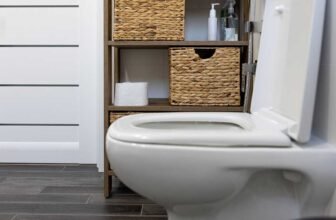
Toilets That Rock Cause Hidden Floor Damage
A toilet should sit firmly against the floor. If it rocks even slightly, the wax ring seal beneath it may fail. Water escapes slowly during each flush.
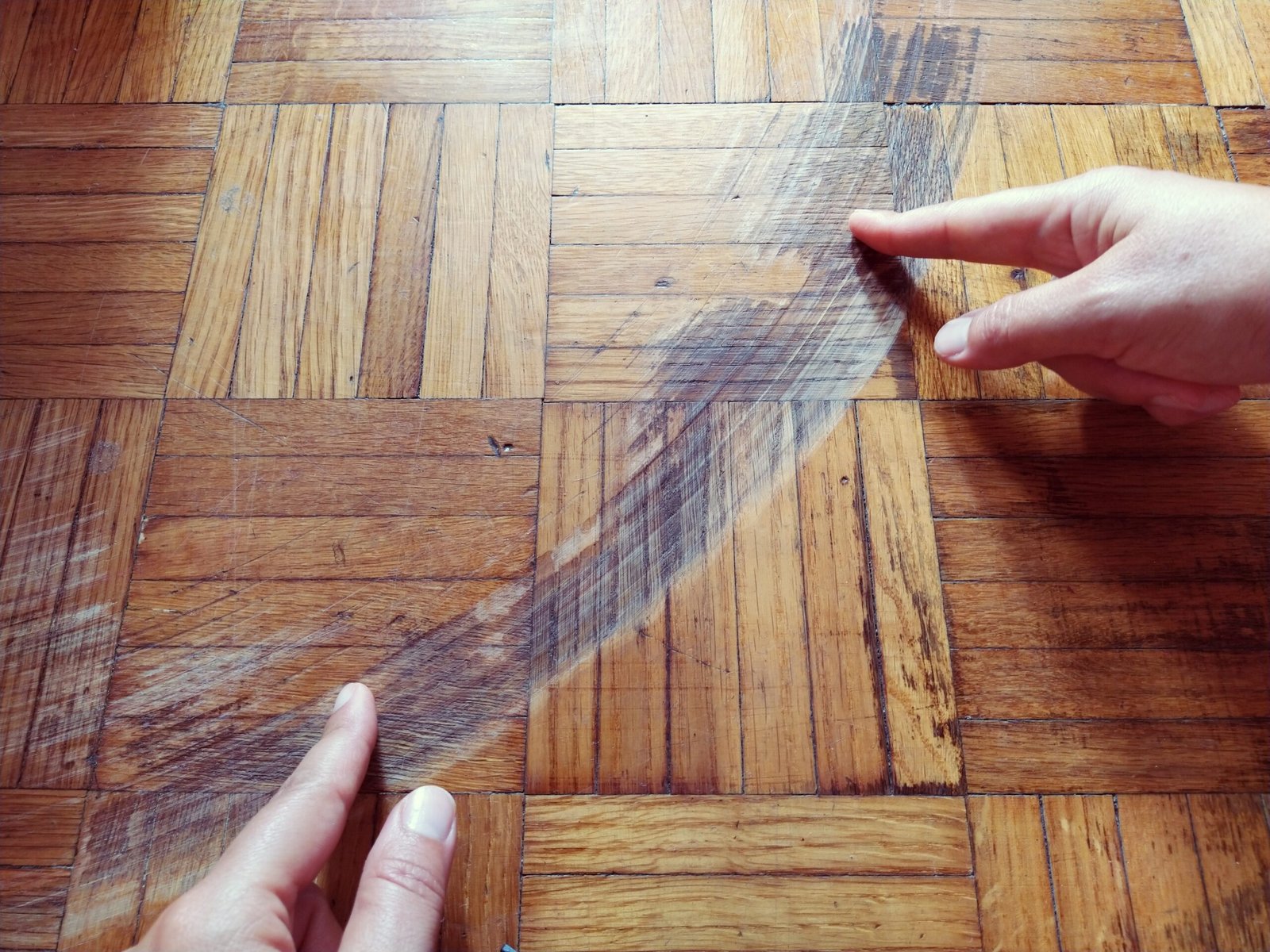
This leak rarely shows on the surface. Water moves under flooring materials. Subfloors absorb moisture and weaken. Tile loosens. Vinyl flooring bubbles. Hardwood warps. Improper sealing at the base often leads to costly floor repairs that could have been avoided.
Showers and Tubs Depend on Tight Sealing
Shower fixtures, tub spouts, and handles also require proper sealing where they meet tile or wall panels. Small gaps allow water to enter the wall cavity.
Moisture inside walls causes drywall deterioration and mold growth. Paint may bubble. Tiles may loosen. The problem continues long before visible signs appear. Proper caulking and sealing protect walls from daily exposure to water.
Slow Leaks Create Ideal Conditions for Mold
Moisture trapped inside cabinets or beneath flooring does not dry easily. Airflow remains limited. Mold thrives in damp, dark spaces.
Mold does not need standing water. Even minor dampness over time supports growth. Once mold spreads, removal becomes more complicated. Preventing moisture intrusion through proper sealing reduces this risk.
Sealant Failure Happens Gradually
Sealant does not last forever. Over time, it cracks, shrinks, or separates from surfaces. Cleaning chemicals and temperature changes speed up this breakdown.
Homeowners often overlook these changes. A thin crack along the sink edge may not seem urgent. Water finds that opening every time the sink runs. Routine inspection helps catch failing seals before damage begins.
Poor Installation Increases Risk
Improper installation often leads to sealing problems. Skipping sealant, applying too little, or using the wrong product creates weak protection.
Fixtures must sit level and secure before sealing. Movement after installation breaks the seal. Professional plumbers ensure both secure placement and proper sealing materials.
Correct installation prevents small issues from becoming hidden damage.
Cabinet Materials Absorb Water Quickly
Most bathroom and kitchen cabinets use particleboard or similar materials. These products absorb moisture easily. Once swollen, they rarely return to their original shape.
Soft spots inside cabinets often trace back to fixture sealing issues. Repair may require cabinet replacement if damage spreads too far. Prevention remains far easier than restoration.
Flooring Damage Often Starts at the Edges
Water that seeps under fixtures travels along the path of least resistance. It often spreads beneath flooring at edges and seams.
Tile grout may crack. Laminate edges may lift. Hardwood boards may cup or discolor. Damage usually appears far from the source. Proper sealing keeps water contained and prevents this slow spread.
Signs That Fixture Sealing May Be Failing
Homeowners should watch for early warning signs. Catching these signals early limits damage.
Common signs include:
- Loose or rocking toilets
- Dark spots inside sink cabinets
- Peeling caulk around sink edges
- Soft flooring near fixtures
- Musty odor under cabinets
Addressing these signs quickly protects surrounding materials.
Why Professional Inspection Matters
Many sealing problems remain invisible until damage appears. Plumbers inspect fixture bases, check stability, and test for hidden moisture. Professional evaluation identifies weak seals before cabinets and flooring suffer. Small resealing jobs prevent larger repairs later.
Preventive Maintenance Saves Headaches
Fixture sealing requires attention over time. Regular inspection and timely resealing extend the life of cabinets and flooring. Homeowners who schedule routine plumbing checks reduce the risk of hidden water damage.
Common Fixture Sealing Issues Found in Schererville Area Homes
Homes in this region often include older fixtures or DIY installations that increase sealing problems.
Frequent issues include:
- Aging caulk around sinks
- Loose toilet bases after floor settling
- Improperly sealed vanity tops
- Gaps behind tub spouts
- Water intrusion under kitchen faucets
Addressing these concerns early protects both plumbing and property.
Small Gaps Lead to Big Repairs
Improper sealing rarely causes immediate flooding. It causes slow deterioration. Damage grows quietly beneath surfaces. Protecting your home starts with careful installation and regular inspection. A tight seal keeps water where it belongs.
Frequently Asked Questions
How often should fixture seals be inspected?
Inspect seals at least once a year and after any remodeling or plumbing work.
Can I reseal a sink myself?
You can apply new caulk, but proper cleaning and leveling are important for lasting results.
Why does my toilet rock slightly?
Floor settling or loose bolts may cause movement, which can damage the wax seal.
Does small cabinet swelling always mean a leak?
Often yes. Moisture usually enters from plumbing or fixture sealing failures.
Is mold common from minor leaks?
Yes. Even slow moisture buildup can support mold growth over time.
Protect your cabinets and floors from hidden water damage. Call Reichelt Plumbing at (219) 322-4906 for fixture repair and sealing services in Schererville.