Commercial plumbing does not get much attention when everything works. Restrooms stay open, sinks drain, kitchens run, floor drains stay clear, and employees move through the day without thinking about pipes, valves, heaters, or sewer lines. That quiet reliability is not luck. It usually comes from planning.
A lot of businesses wait until something fails before calling a plumber. That approach may feel practical in the short term, but it often leads to larger disruptions. A blocked drain in a restaurant can slow service fast. A leaking water line in an office can damage walls, flooring, and equipment. A restroom shutdown in a retail store can affect employees and customers at the same time. Plumbing problems do not stay small for long in commercial buildings because the systems work harder and serve more people.
That is why commercial plumbing maintenance planning matters. It protects operations all year, not just during emergencies. In Schererville and the surrounding areas, businesses deal with seasonal weather shifts, heavy daily use, aging infrastructure, and drainage demands that change across the year. A good maintenance plan helps catch wear early, reduce surprise breakdowns, and keep the building ready for whatever the season brings.
Commercial Plumbing Problems Rarely Start All at Once
Most plumbing failures build slowly. A valve begins to weaken. A drain line starts collecting grease or debris. A water heater runs less efficiently. A pipe connection develops a slow leak. None of these issues may shut down operations right away, which is why they often get ignored.
The problem is that commercial systems rarely get a break. Restrooms serve employees and visitors all day. Kitchen and prep areas produce grease, food waste, and hot water demand. Mechanical rooms stay under constant stress. Floor drains, mop sinks, utility sinks, and fixture lines all see repeated use.
Without routine checks, small issues keep growing until they show up as an urgent problem. Maintenance planning changes that pattern. It turns random surprises into scheduled attention.
Year Round Planning Works Better Than Reactive Repairs
Reactive plumbing service means waiting for a problem, then solving it under pressure. That can work for isolated situations, but it is a risky way to manage a commercial property.
Planned maintenance works differently. It builds plumbing review into the normal rhythm of operating the building. Instead of asking, “What broke?” the better question becomes, “What is changing before it breaks?”
That shift matters. A maintenance plan can include seasonal drain review, fixture inspections, sump pump testing, water heater checks, sewer camera inspections when needed, and early leak detection. This helps business owners and property managers schedule work at better times and avoid disruption during busy periods.
Drain Systems Need Regular Attention to Stay Reliable
Commercial drain systems handle far more than people realize. In some buildings, they carry soap, paper, debris, food waste, grease, sediment, and cleaning products every single day. A line may seem fine until the buildup reaches the tipping point.
Drain maintenance planning helps prevent that. Restaurants may need more frequent grease-related service. Office buildings may need restroom and floor drain checks. Industrial and warehouse settings may need special attention around utility areas and storm-related drainage paths.
A maintenance plan helps identify which drains get the most use and what kind of buildup is most likely. That means cleaning happens before the line backs up, not after the building deals with a mess.
Plumbing Maintenance Supports Health and Safety
Commercial plumbing affects more than convenience. It supports sanitation, accessibility, and day-to-day safety. A leaking restroom fixture may create a slip hazard. A blocked floor drain can lead to standing water. A failing water heater can affect cleaning standards and handwashing. A sewer odor can create an unhealthy environment and disrupt operations quickly.
Maintenance planning supports safer conditions because it keeps critical systems under regular review. It helps ensure:
- Restrooms stay functional
- Water stays available where needed
- Drainage performs properly
- Leaks do not create hidden damage
- Equipment areas remain safer and cleaner
For many businesses, this is not optional. It is part of keeping the property usable and professional.
Seasonal Changes Put Different Stress on Commercial Plumbing
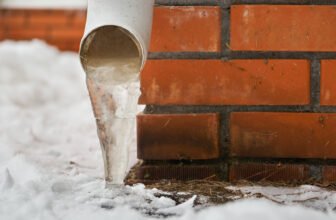
Commercial plumbing systems face different risks throughout the year. Winter can bring frozen pipe concerns, especially around exterior walls, service lines, and mechanical spaces with weak insulation. Spring can expose sump pump problems, storm drainage weaknesses, and sewer issues after ground movement. Summer may bring higher building use, heavier restroom traffic, and greater cooling-related water demands in some properties. Fall is often the best time to inspect systems before temperatures drop again.
This is why year-round maintenance planning works so well. Each season brings a different checklist. Instead of treating plumbing as one general system, a good plan responds to actual seasonal pressure.
In Schererville and nearby areas, freeze and thaw cycles can stress underground lines and older piping. Heavy rain can also reveal drainage weaknesses quickly. Seasonal planning reduces the risk of finding out too late.
Water Heaters and Supply Lines Need More Attention in Commercial Buildings
Commercial water heaters and supply systems often work much harder than residential ones. Even smaller commercial properties may rely on constant hot water for handwashing, cleaning, kitchen operations, or daily business activity.
Water heater maintenance planning helps spot:
- Sediment buildup
- Declining recovery performance
- Weak valves
- Connection wear
- Temperature control issues
Water lines also need review. A slow leak in a commercial wall or ceiling may go unnoticed until staining, mold, or material damage appears. Pressure changes may affect fixture performance across the building before anyone realizes a line issue is developing.
Scheduled checks reduce that risk and protect the building from long periods of hidden damage.
Sewer and Underground Issues Benefit From Early Review
Commercial sewer problems can become expensive and disruptive quickly. A sewer backup, root intrusion issue, or damaged underground line may shut down restrooms, kitchens, or tenant spaces. Repairs also become more complicated when the issue is discovered only after failure.
Maintenance planning does not always mean constant invasive work. It means knowing when a system shows signs that justify deeper inspection. A recurring drain issue, slow flow in a high-use area, or unexplained odor may point to something underground.
Planned sewer review, including video inspection where appropriate, helps businesses avoid repeat clogs and unnecessary guesswork. It is much easier to manage an identified problem than a recurring emergency.
Fixture Maintenance Helps Protect the Rest of the System
Commercial fixture problems may seem small compared to sewer or supply line issues, but they often signal deeper wear. A toilet that runs nonstop wastes water and strains supply components. A faucet leak can damage cabinetry or surfaces. A loose fixture can create safety and sanitation problems.
Regular fixture checks help protect both water use and system reliability. They also support a better experience for employees, customers, tenants, or visitors. People notice when restrooms do not work properly. They notice when sinks drip, toilets stay out of order, or hot water runs out too quickly.
Well-maintained fixtures support the image of the business as much as they support the plumbing system.
Maintenance Planning Helps Budget Time and Resources Better
One of the biggest advantages of commercial plumbing maintenance planning is predictability. Emergency plumbing work usually happens at the worst possible time. It may interrupt customers, affect staff, or force parts of the property out of service.
A maintenance plan helps shift more work into controlled, scheduled service windows. That makes coordination easier. It also helps property managers and owners prioritize what needs attention first.
Instead of reacting under pressure, businesses can make decisions with better information. That protects both operations and long-term property condition.
Different Commercial Properties Need Different Maintenance Plans
No single plan fits every building. A restaurant, medical office, warehouse, retail store, apartment complex, and school all use plumbing differently. The maintenance plan should reflect that.
A useful commercial maintenance plan should consider:
- Type of business
- Daily water usage
- Number of restrooms and fixtures
- Presence of kitchens or grease-producing operations
- Age of building and plumbing
- Drainage and sewer history
- Seasonal risks around the property
This kind of planning gives much better results than generic annual checkups alone.
Why Professional Oversight Matters
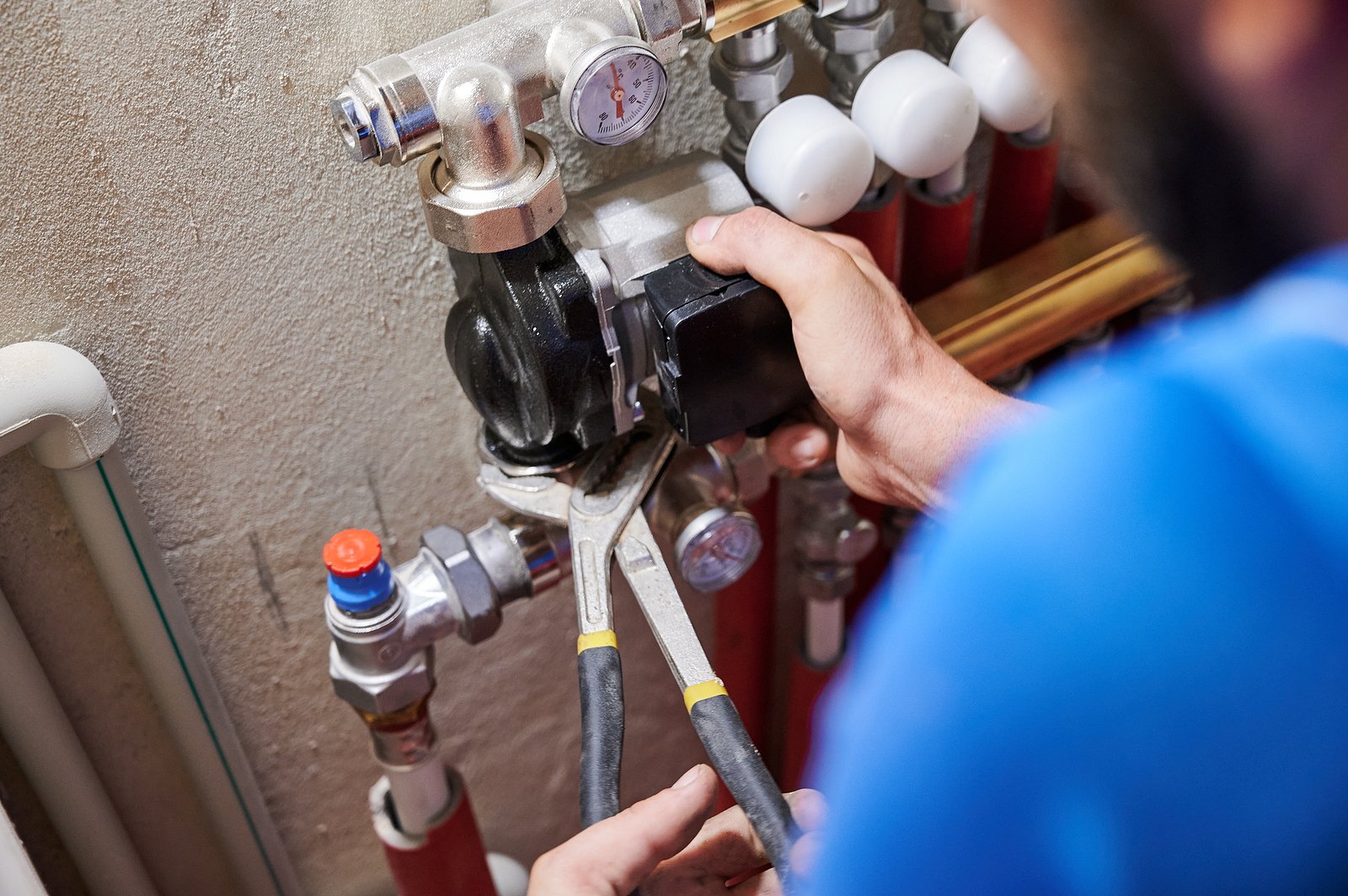
Commercial plumbing systems are too important to manage through guesswork. Staff may spot surface problems, but trained plumbers know how to read deeper warning signs. A professional review can connect the small details that point to a larger pattern.
That may include:
- Pressure changes across fixture groups
- Drain slowdown patterns
- Repeated issues in the same area
- Equipment wear near shutoffs and supply points
- Water heater performance decline
- Underground concerns tied to flow behavior
Professional oversight helps businesses act earlier and more confidently.
Long Term Reliability Starts With Consistency
Commercial plumbing maintenance planning is not about doing everything at once. It is about steady, practical attention over time. Buildings perform better when plumbing systems receive consistent review and targeted service before failure forces the issue.
That reliability supports daily operations, protects property condition, and helps businesses avoid avoidable disruptions. For commercial properties in Schererville and the surrounding areas, that kind of planning makes a real difference across every season.
FAQs
Why does commercial plumbing need a maintenance plan?
Commercial systems handle heavier daily use, so small issues can turn into major disruptions much faster.
How often should commercial plumbing be inspected?
That depends on the property type, age of the system, and daily usage, but routine scheduled reviews are much safer than waiting for failure.
What parts of a commercial plumbing system need regular maintenance?
Drains, fixtures, supply lines, water heaters, sewer connections, pumps, and shutoff components all benefit from regular attention.
Can plumbing maintenance reduce emergency calls?
Yes. Planned service helps catch wear, buildup, and weak points before they become urgent failures.
Is maintenance planning useful for smaller commercial properties, too?
Yes. Even small offices, shops, and service businesses rely on plumbing systems that can disrupt operations if neglected.
Reichelt Plumbing helps protect commercial operations in Schererville with year-round plumbing maintenance planning. Call (219) 322-4906 today.