Many homeowners believe a battery backup sump pump guarantees protection during storms or power outages. That belief often leads to a false sense of security. A backup pump can work perfectly on paper and still fail to protect a basement when conditions turn serious. The reason often has nothing to do with the pump itself. Basement layout and sump pit depth quietly control how well a backup system can actually perform.
In Schererville and nearby areas, homes vary widely in age, construction style, and drainage design. Some basements sit below the water table. Others rely on shallow pits placed wherever space allowed during construction. These details rarely come up during installation conversations, yet they make the difference between a dry basement and costly water damage. Understanding how layout and pit depth affect backup pump performance helps homeowners spot weaknesses before water finds them first.
Why Backup Sump Pumps Depend on More Than Power Loss Protection
Battery backup sump pumps exist to move water when the primary pump cannot. Most people focus on battery life, pump strength, or brand name. Those factors matter, yet they cannot overcome physical limitations built into the basement itself.
A backup pump still relies on the same pit, discharge path, and water flow patterns as the main pump. A shallow pit fills faster than expected. A poorly placed pit pulls water unevenly from around the foundation. Tight basement layouts restrict where discharge lines run and how efficiently water exits the home. During heavy rain, these limits show up quickly.
Homeowners often assume backup systems fail because of bad luck or extreme weather. In reality, many failures trace back to design decisions made long before the backup pump arrived.
How Sump Pit Depth Controls Water Volume and Reaction Time
Pit depth controls how much water the sump system can hold before pumps activate. Shallow pits hold less water, which forces pumps to cycle more often. During storms, rapid cycling drains batteries faster and increases wear on mechanical parts.
A deeper pit allows more water storage, giving backup pumps time to react without running constantly. Many older homes in the Schererville area use pits installed decades ago that meet older standards. These pits often lack the depth modern backup systems expect.
Homeowners rarely notice pit depth until problems occur. Water rises quickly, backup pumps trigger late, and flooding begins despite having a functioning system. A deeper pit does not eliminate groundwater pressure, yet it creates breathing room that backup pumps need to perform consistently.
Basement Layout Shapes How Water Reaches the Sump Pit
Water does not enter basements evenly. Soil conditions, foundation shape, and drainage patterns influence where water collects first. Basement layout plays a major role in how water moves toward the sump pit.
Finished basements often hide drainage paths behind walls and flooring. Storage rooms, utility closets, and stairwells can block natural water flow. Water may pool in low spots far from the pit, allowing damage before the pump activates.
Homes with additions or remodeled basements face added challenges. New walls change airflow and water movement. Floor drains may connect poorly to the sump system. Backup pumps cannot remove water they never receive. Layout issues quietly limit performance even during normal rain events.
Why Backup Pumps Struggle in Narrow or Crowded Sump Pits
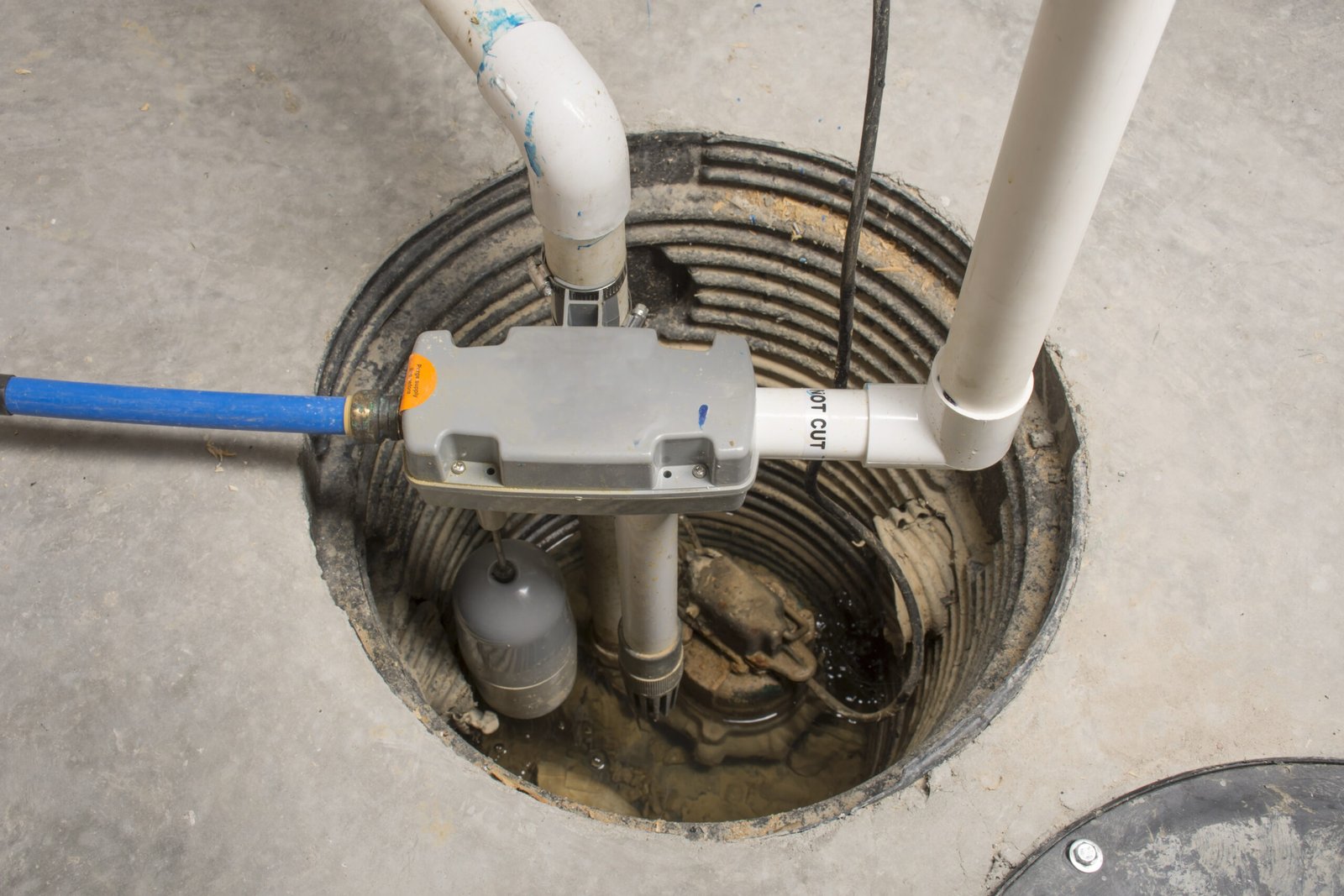
Many sump pits contain more than one pump, check valves, float switches, and discharge fittings. Space becomes limited quickly. Backup pumps installed as afterthoughts often compete for room rather than integrate cleanly.
Crowded pits restrict float movement, leading to delayed activation or constant cycling. Debris buildup increases in tight spaces. Backup pumps may turn on too late or shut off too early, reducing their ability to control rising water.
Proper spacing matters as much as pump size. A backup system needs room to operate independently without interference from the primary pump or plumbing components.
Discharge Routing Limits Backup Pump Effectiveness
Backup sump pumps often use separate discharge lines or connect to existing ones. Basement layout determines how those lines run. Sharp turns, long horizontal runs, and tight wall penetrations reduce flow efficiency.
In some homes, backup pumps discharge close to the foundation because routing options feel limited. That water can cycle back toward the pit during heavy rain, forcing the pump to fight the same water repeatedly.
Battery-powered pumps move less water than primary pumps. Any restriction in discharge routing amplifies that limitation. Basement layout decides whether water exits efficiently or lingers long enough to cause problems.
How Finished Basements Mask Early Warning Signs
Finished basements look clean and comfortable, yet they hide early signs of sump system strain. Carpet absorbs moisture. Wall panels conceal seepage. Homeowners may not notice slow water buildup until damage spreads.
Backup sump pumps rely on timely activation. Delayed detection means water reaches finished surfaces before pumps can keep up. Layout choices that prioritize appearance over drainage access create blind spots.
Access panels, visible pit covers, and clear pathways allow homeowners to spot changes early. Layout decisions that hide critical components reduce the effectiveness of any pump, no matter how advanced.
Why Backup Pump Performance Varies Between Similar Homes
Two neighboring homes can install the same backup sump pump and see very different results. One basement stays dry while the other floods. Layout and pit depth explain the difference.
Soil composition, foundation slope, and pit placement vary even within the same neighborhood. A slightly deeper pit or better drainage slope changes how water behaves under pressure.
Backup pumps amplify strengths and weaknesses already present. Homes with efficient layouts benefit more from backup systems. Homes with hidden limitations expose those systems during extreme conditions.
Common Basement and Pit Issues We See in Schererville Area Homes
Basements in this region face recurring design challenges due to soil conditions and construction trends. Many homes rely on shallow pits placed near exterior walls. Others contain retrofitted backup systems squeezed into limited space.
Older homes often lack modern drainage planning. Newer homes sometimes prioritize finished space over water management. Both scenarios affect backup pump performance in quiet but critical ways.
Understanding these local patterns helps homeowners make informed decisions before water damage forces expensive repairs.
Problems Homeowners Face That Backup Pumps Cannot Solve Alone
Backup sump pumps provide support, not magic. Certain conditions reduce their ability to protect basements without additional improvements.
Homeowners in this area often experience:
- Shallow sump pits that fill faster than pumps can respond
- Finished basements that hide pooling water
- Crowded pits that restrict float movement
- Discharge lines that send water back toward the foundation
- Layout changes from renovations that alter drainage paths
Addressing these issues strengthens backup pump performance and reduces flood risk.
How Professional Evaluation Improves Backup System Reliability
A professional inspection looks beyond the pump itself. Plumbers evaluate pit depth, float clearance, discharge routing, and basement layout as a system. Small changes often make a big difference.
Adjusting pit depth, relocating floats, rerouting discharge lines, or improving drainage access increases reliability without replacing equipment. Homeowners gain clarity instead of assumptions.
Backup sump pumps perform best when they work within a system designed to support them.
FAQs About Backup Sump Pumps, Basement Layout, and Pit Depth
Why does my backup sump pump run often but still allow water buildup?
Frequent cycling often points to shallow pits or restricted water flow. The pump responds quickly but lacks volume capacity.
Can basement renovations affect sump pump performance?
Renovations can block drainage paths or hide water movement. Layout changes often require sump system adjustments.
Does a deeper sump pit always solve flooding issues?
Deeper pits help, yet layout, discharge routing, and groundwater pressure also play important roles.
Should backup pumps use separate discharge lines?
Separate lines often improve reliability, especially during heavy rain, as long as routing allows proper drainage away from the foundation.
How often should sump systems get evaluated?
Annual inspections help catch layout or pit issues before storms expose weaknesses.
Protect your basement with expert sump pump evaluations from Reichelt Plumbing. Call (219) 322-4906 today for trusted service in Schererville and nearby areas.