Heavy-Duty Pipe Cutter Review: A Professional Tool for Clean, Accurate Metal Pipe Cutting
Whether you're replacing plumbing, installing new piping, or tackling a home improvement project, having the right cutting tool can make the job significantly easier. A quality pipe cutter produces cleaner cuts than many saws, minimizes burrs, and helps prepare pipes for secure fittings and leak-free connections.
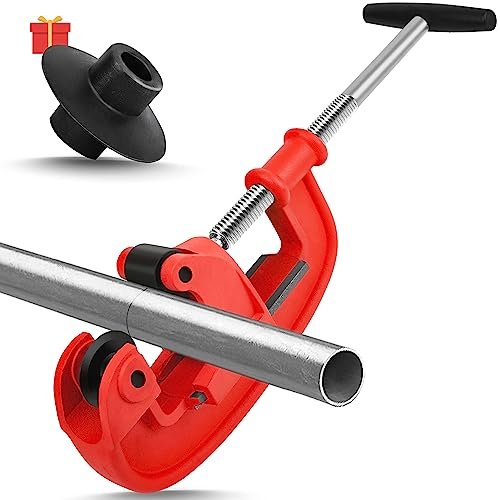
This heavy-duty pipe cutter is designed for cutting iron, galvanized steel, and other metal pipes ranging from 1/8 inch to 2 inches in diameter. Featuring hardened cutting wheels, a durable steel frame, and an easy-to-use feed mechanism, it is suitable for professional plumbers, contractors, mechanics, and DIY users who need reliable cutting performance.
Here's a closer look at its features, applications, and what to consider before purchasing.
Why Use a Pipe Cutter Instead of a Saw?
Although hacksaws and power tools can cut metal pipe, they often leave rough edges that require additional cleanup before installation.
A dedicated pipe cutter offers several advantages:
- Straighter cuts
- Cleaner pipe ends
- Fewer burrs
- Greater cutting accuracy
- Less material waste
- Better preparation for threaded or compression fittings
These benefits help simplify installation while reducing the amount of finishing work required after each cut.
Heavy-Duty Steel Construction
The durability of any pipe cutter depends largely on the strength of its frame.
This model is manufactured from heavy-duty steel, providing the rigidity needed to maintain alignment while cutting through hard metal pipes.
A robust frame also helps the tool withstand repeated use on demanding job sites, making it suitable for professionals who regularly work with metal piping.
Designed for Clean, Precise Cuts
One of the primary goals of a quality pipe cutter is producing smooth, square cuts.
According to the manufacturer, the cutting mechanism is designed to deliver:
- Straight cuts
- Flat pipe ends
- Reduced burr formation
- Consistent cutting performance
Cleaner cuts make it easier to prepare pipes for soldering, threading, compression fittings, or other plumbing connections.
Ball Bearing Feed Mechanism
The cutter features a steel ball thrust bearing feed mechanism, which helps apply consistent pressure as the cutting wheel advances through the pipe.
A smooth feed mechanism offers several practical advantages:
- Easier rotation around the pipe
- Improved cutting control
- Reduced operator effort
- More consistent cutting depth
Maintaining steady pressure throughout the cut helps produce more accurate results.
Cuts a Wide Range of Pipe Sizes
Versatility is important for both professionals and homeowners.
This pipe cutter is designed to accommodate pipe diameters from:
- 1/8 inch
- Up to 2 inches
This size range covers many common residential and commercial plumbing applications, reducing the need for multiple specialty cutters.
Compatible with Multiple Pipe Materials
According to the manufacturer, the cutter is suitable for several types of metal piping.
Compatible materials include:
- Iron pipe
- Galvanized pipe
- Various metal tubing used in plumbing and construction
Before use, it's advisable to confirm that the cutter is appropriate for the specific pipe material and wall thickness involved in your project.
Comfortable Long Handle for Better Leverage
Cutting metal pipe requires controlled pressure.
The extra-long handle provides additional leverage, helping users generate cutting force with less physical effort.
Better leverage offers several benefits:
- Reduced hand fatigue
- Easier cutting of larger pipes
- Improved control
- More comfortable operation during extended projects
This can be especially valuable when working with thicker-walled steel piping.
Simple Operating Process
Pipe cutters are generally easy to use, even for individuals with limited plumbing experience.
The basic cutting process involves:
- Position the cutter around the pipe.
- Tighten the cutting wheel until it contacts the surface.
- Rotate the cutter around the pipe.
- Gradually tighten the adjustment after each rotation.
- Continue until the pipe separates cleanly.
Applying gradual pressure rather than excessive force helps produce smoother cuts and extends cutting wheel life.
Suitable for Many Applications
Because of its cutting capacity, this tool can be used in numerous industries and home improvement projects.
Typical applications include:
- Residential plumbing
- Commercial plumbing
- HVAC installations
- Heating system repairs
- Automotive repairs
- Metal fabrication
- Construction projects
- Home renovation
- DIY plumbing work
Its versatility makes it useful for both occasional homeowners and experienced tradespeople.
Extra Cutting Wheels Included
Cutting wheels naturally wear over time, especially when used on harder metals.
The inclusion of spare cutter wheels allows users to replace worn components without immediately purchasing additional accessories.
Having replacement wheels available can help:
- Reduce downtime
- Extend tool lifespan
- Maintain cutting performance
- Improve long-term value
Routine inspection of the cutting wheel helps ensure clean, efficient operation.
Tips for Better Pipe Cutting Results
Using proper cutting technique can improve both accuracy and tool longevity.
For best results:
- Measure carefully before cutting.
- Mark the cut location clearly.
- Tighten gradually during each rotation.
- Avoid forcing the cutting wheel.
- Deburr the pipe after cutting if necessary.
- Replace worn cutting wheels promptly.
Taking a few extra moments during setup often leads to cleaner installations later.
Advantages and Potential Considerations
Every cutting tool has strengths that make it better suited for certain jobs.
Advantages
- Heavy-duty steel construction
- Suitable for 1/8" to 2" pipe
- Smooth ball bearing feed mechanism
- Produces clean, straight cuts
- Long handle for improved leverage
- Compatible with multiple metal pipe types
- Spare cutting wheels included
- Suitable for professional and DIY use
Potential Considerations
- Designed primarily for metal pipe rather than plastic piping.
- Cutting wheels require periodic replacement with regular use.
- Larger or thicker pipes may require additional cutting time.
- Proper technique helps achieve the cleanest results.
Understanding these considerations helps maximize both cutting performance and tool lifespan.
Frequently Asked Questions
What size pipes can this cutter handle?
The cutter is designed for metal pipes ranging from approximately 1/8 inch to 2 inches in diameter.
What materials can it cut?
According to the manufacturer, it is suitable for iron pipe, galvanized pipe, and various other metal pipes commonly used in plumbing and construction.
Why use a pipe cutter instead of a hacksaw?
Pipe cutters generally produce cleaner, straighter cuts with fewer burrs, making pipe preparation faster and improving the quality of finished plumbing connections.
Is it suitable for DIY homeowners?
Yes. Although frequently used by professional plumbers, the straightforward operating method also makes it accessible for homeowners performing plumbing repairs or renovation projects.
Does it include replacement cutting wheels?
Yes. The manufacturer includes extra cutter wheels, allowing users to replace worn cutting components and extend the useful life of the tool.
Final Thoughts
This heavy-duty metal pipe cutter is designed to simplify cutting tasks while producing clean, accurate results across a wide range of plumbing and construction applications. Its durable steel construction, smooth ball bearing feed mechanism, long ergonomic handle, and compatibility with pipes from 1/8 inch to 2 inches make it a practical addition to both professional toolkits and home workshops.
Whether you're installing new plumbing, replacing galvanized pipe, working on HVAC systems, or completing a DIY renovation, a dedicated pipe cutter can save time while producing cleaner cuts than many traditional methods. With spare cutting wheels included and a design focused on precision and durability, this tool offers dependable performance for users who regularly work with metal piping.