Infrared Refrigerant Leak Detector Review: Fast, Precise HVAC Leak Detection for Multiple Refrigerant Types
Refrigerant leaks can reduce cooling performance, increase energy consumption, and eventually damage HVAC or refrigeration equipment. Because many leaks are too small to see or hear, technicians need a reliable electronic detector capable of identifying escaping refrigerant around coils, fittings, valves, compressors, and service connections.
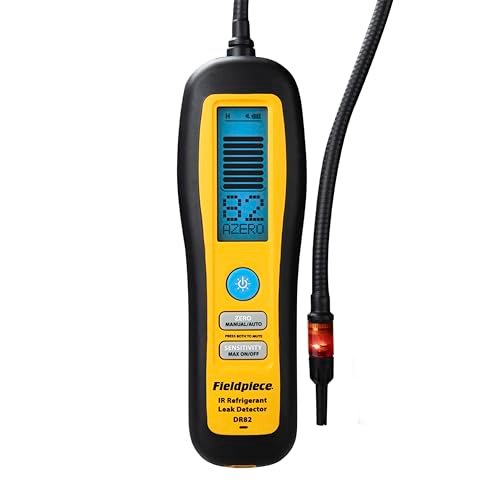
This infrared refrigerant leak detector is designed for professional HVACR diagnostics and advanced maintenance work. It combines an infrared sensing system with a flexible probe, visual leak indicators, an audible alarm, and a rechargeable battery intended to support extended service calls.
Its broad refrigerant compatibility makes it useful for technicians working across residential air conditioning, automotive systems, commercial refrigeration, heat pumps, and other equipment that uses halogenated refrigerants.
Why Refrigerant Leak Detection Matters
A refrigeration or air-conditioning system depends on a sealed refrigerant circuit. When refrigerant escapes, the equipment may no longer transfer heat efficiently.
Common signs of a possible refrigerant leak include:
- Reduced cooling capacity
- Longer operating cycles
- Ice forming on evaporator coils
- Unusual pressure readings
- Increased electricity consumption
- Inadequate temperature control
- Oil residue around joints or fittings
These symptoms can indicate several different faults, so an electronic detector is generally used alongside pressure measurements, temperature checks, visual inspection, and other diagnostic procedures.
Finding the exact leak location is important because simply adding refrigerant without repairing the system does not address the underlying problem.
Infrared Sensor for Small Leak Detection
The detector uses infrared sensing technology to identify refrigerant in the surrounding air.
Infrared detectors analyze how refrigerant molecules absorb specific wavelengths of infrared light. This approach can provide stable sensitivity while reducing some of the false alarms associated with less selective sensing technologies.
The manufacturer describes the instrument as suitable for detecting very small leaks. Actual sensitivity will depend on the refrigerant, environmental conditions, calibration, scanning technique, and the detector's selected sensitivity level.
For accurate results, the probe should be moved slowly around likely leak points rather than passed quickly over the equipment.
Broad Refrigerant Compatibility
HVAC and refrigeration technicians may encounter numerous refrigerant families, especially when servicing both older and newer equipment.
This detector is described as compatible with:
- CFC refrigerants
- HCFC refrigerants
- HFC refrigerants
- HFO refrigerants
- Common refrigerant blends
That broad compatibility can make one instrument useful across multiple applications, including legacy systems and newer lower-global-warming-potential refrigerants.
Before relying on the detector for a specific refrigerant, users should confirm that the exact gas is listed in the manufacturer's compatibility documentation.
Suitable for HVACR Applications
The detector can be used in a wide range of heating, ventilation, air-conditioning, and refrigeration environments.
Residential Air Conditioning
Technicians can inspect evaporator coils, condenser units, flare joints, service ports, brazed connections, and line sets.
Commercial Refrigeration
The tool may assist with leak detection around display cases, compressors, evaporators, condensers, receiver tanks, and refrigerant piping.
Heat Pumps
Both indoor and outdoor sections can be checked for leaks around reversing valves, coils, fittings, and service connections.
Automotive Air Conditioning
Where the refrigerant is compatible, the probe may be used around compressors, condensers, hoses, evaporator drains, and charging ports.
Refrigeration Appliances
It may also assist qualified technicians working on refrigerators, freezers, ice machines, beverage equipment, and similar systems.
Clear LCD Leak Indication
A backlit LCD provides visual feedback while the technician scans the system.
Instead of relying only on an alarm tone, the display indicates the relative intensity or size of the detected refrigerant concentration. This makes it easier to compare nearby areas and narrow down the likely source.
Visual feedback is especially useful in noisy mechanical rooms where an audible alarm may be difficult to hear clearly.
The display can also improve diagnostic confidence by showing whether the refrigerant concentration rises as the probe moves closer to the suspected leak.
Audible Alarm and Illuminated Probe Tip
The detector combines multiple alert methods to help technicians locate leaks.
An audible signal increases in response to detected refrigerant, while the illuminated probe tip provides a visible indication near the inspection area. Together with the LCD, these alerts allow the user to monitor the instrument without constantly looking away from the equipment.
This multi-signal approach is useful when inspecting dark cabinets, crowded condensing units, and difficult-to-reach mechanical spaces.
Flexible 17-Inch Probe
Refrigerant leaks often occur in areas that are difficult to access directly.
The approximately 17-inch flexible probe allows the sensor tip to reach behind components, beneath coils, and around tubing without requiring the entire instrument to fit into the same space.
Potential inspection points include:
- Compressor fittings
- Expansion valves
- Schrader valves
- Coil return bends
- Brazed joints
- Flare connections
- Filter-driers
- Refrigerant hoses
- Service ports
The probe should be shaped gradually rather than sharply bent, which helps protect the internal structure and maintain accurate sensor positioning.
Durable IP54-Rated Housing
HVAC service tools are frequently exposed to dust, moisture, oil residue, and harsh work environments.
An IP54 rating indicates that the detector is designed to resist limited dust ingress and water splashes. This can provide useful protection during field service, although it does not make the instrument waterproof or suitable for immersion.
Technicians should still avoid exposing the device to:
- Heavy rain
- Standing water
- Direct refrigerant oil saturation
- Aggressive cleaning chemicals
- Excessive heat
- Physical impact
Keeping the detector clean and stored in a protective case can help preserve its accuracy and service life.
Long-Life Infrared Sensor
The infrared sensor is described as having a service life of up to ten years under normal operating conditions.
A long-life sensor can reduce maintenance costs compared with detectors that require frequent sensing-element replacement. However, sensor life depends on usage, contamination, storage conditions, and adherence to the manufacturer's maintenance instructions.
Even with a long-life sensing element, regular functional testing remains important. The detector should be checked before critical work using an approved refrigerant reference source or another procedure specified by the manufacturer.
Rechargeable USB-C Battery
The detector includes a rechargeable battery with a stated operating time of more than ten hours.
Long runtime is valuable for technicians completing multiple service calls or inspecting large commercial systems. USB-C charging also simplifies recharging from common adapters, service vehicles, battery packs, or workshop charging stations.
Actual battery life may vary based on:
- Screen brightness
- Alarm activity
- Ambient temperature
- Battery age
- Charging practices
- Frequency of use
Charging the detector before field work helps prevent interruptions during a leak inspection.
Replaceable Filter Tips
The sensor tip may be exposed to dust, moisture, oil, and debris while being moved through HVAC equipment.
Replaceable filter tips help protect the sensing chamber from contamination. Keeping the filter clean can improve response consistency and reduce the risk of residue affecting performance.
A filter should be replaced when it appears dirty, saturated, damaged, or according to the manufacturer's recommended maintenance schedule.
The probe should not be inserted directly into liquid refrigerant, oil, condensate, or other fluids.
How to Use a Refrigerant Leak Detector
Electronic leak detection works best when performed methodically.
Prepare the System
Confirm that the system contains sufficient refrigerant pressure for leakage to occur. Turn off strong fans or airflow that could disperse refrigerant away from the source.
Inspect Visually First
Look for oil residue, corrosion, damaged tubing, loose caps, and worn connections. These areas should receive additional attention during electronic testing.
Allow the Detector to Stabilize
Power on the instrument and wait for the initialization or warm-up cycle to complete before scanning.
Select the Appropriate Sensitivity
Begin with a suitable sensitivity level for the environment. Excessively high sensitivity may produce unstable readings in areas with residual refrigerant.
Move the Probe Slowly
Pass the sensor tip around joints and components at a controlled pace. Moving too quickly can allow a small leak to be missed.
Confirm the Leak
When the alarm activates, move the probe away until the reading clears, then approach the suspected location again. Repeatable detection helps distinguish an actual leak from residual refrigerant in the surrounding air.
Best Practices for Accurate Results
Scan Below Suspected Components
Many refrigerants are heavier than air, so leaked gas may collect below a joint or component. Scan around and underneath the suspected area where accessible.
Keep the Sensor Tip Clean
Oil and moisture can affect detector response. Use the replaceable filter tips and avoid touching the probe directly to dirty surfaces.
Reduce Background Contamination
Recently opened refrigerant cylinders, charging hoses, and recovery equipment may release trace amounts of refrigerant. Ventilate or isolate these sources before pinpointing a leak.
Check Service-Port Caps
Leaks can occur at valve cores, but properly tightened caps also provide a secondary seal. Inspect both the valve and cap condition.
Verify Repairs
After repairing a leak and completing the appropriate evacuation and charging process, retest the repaired area to confirm that refrigerant is no longer escaping.
Common Mistakes to Avoid
Moving the Probe Too Quickly
Small leaks may not produce enough refrigerant concentration for immediate detection. Slow scanning improves the sensor's opportunity to respond.
Treating Every Alarm as a Confirmed Leak
Residual refrigerant from charging or disconnected hoses can trigger the detector. A true leak should generally produce a repeatable response at the same location.
Using the Tool in Strong Airflow
Fans, wind, and ventilation can carry refrigerant away from the source and make pinpointing difficult.
Ignoring Sensor Maintenance
Dirty filters and contaminated probe tips can reduce performance. Inspection and maintenance should be part of normal tool care.
Relying on One Diagnostic Method
An electronic detector is a valuable tool, but difficult leaks may require additional methods such as bubble solution, nitrogen pressure testing, ultraviolet dye where appropriate, or standing vacuum and pressure tests.
Advantages and Considerations
Advantages
- Infrared sensing technology for refrigerant detection
- Compatible with multiple refrigerant families
- Backlit LCD provides visual leak-intensity information
- Audible alarm and illuminated probe tip
- Flexible 17-inch probe reaches confined spaces
- IP54-rated housing for field durability
- Long-life infrared sensing element
- Rechargeable USB-C battery
- More than ten hours of stated runtime
- Replaceable filter tips protect the sensor
- Suitable for residential, commercial, and automotive HVACR work
Potential Considerations
The detector should be used by someone who understands refrigeration systems and proper leak-testing procedures. Compatibility should be confirmed for the exact refrigerant being serviced.
Environmental airflow, residual refrigerant, contaminated filters, and poor scanning technique can affect accuracy. The tool detects refrigerant but does not identify the cause of equipment failure or replace a complete system diagnosis.
Frequently Asked Questions
What refrigerants can this detector identify?
It is described as compatible with CFC, HCFC, HFC, HFO, and blended refrigerants. Check the manufacturer's list for the exact refrigerant used in your system.
Can it detect very small leaks?
The infrared sensor is designed for sensitive leak detection. Actual minimum detectable leak rate depends on the refrigerant, environment, calibration, and test procedure.
Does the detector require disposable batteries?
No. It uses a rechargeable battery and supports USB-C charging.
How long does the battery last?
The manufacturer states a runtime of more than ten hours per charge. Actual runtime may vary based on usage and operating conditions.
What does the LCD display show?
The backlit display indicates the relative size or intensity of the refrigerant concentration, helping the user move toward the suspected leak source.
Is the detector waterproof?
No. The IP54 rating provides protection against limited dust and splashing water, but the instrument should not be submerged or exposed to heavy moisture.
How long does the infrared sensor last?
The sensor is described as having an expected service life of up to ten years under appropriate use and maintenance conditions.
Can homeowners use this detector?
The controls may be straightforward, but servicing refrigerant systems can involve regulated substances, high pressures, electrical hazards, and specialized procedures. Diagnosis and repair are generally best performed by qualified HVACR technicians.
Final Thoughts
This infrared refrigerant leak detector combines broad refrigerant compatibility, a flexible probe, clear visual feedback, and extended battery life in a tool designed for HVACR service work. Its infrared sensor and multiple alert methods can help technicians detect and pinpoint small leaks around coils, valves, fittings, compressors, and refrigerant lines.
The durable housing, replaceable sensor filters, USB-C charging, and long-life sensing element make it suitable for regular professional use. As with any electronic leak detector, the best results depend on proper technique, clean equipment, and confirmation through repeatable testing.
For HVAC technicians, refrigeration specialists, and automotive air-conditioning professionals who need a versatile detector for multiple refrigerant families, this model offers a useful balance of sensitivity, portability, and field-ready functionality.