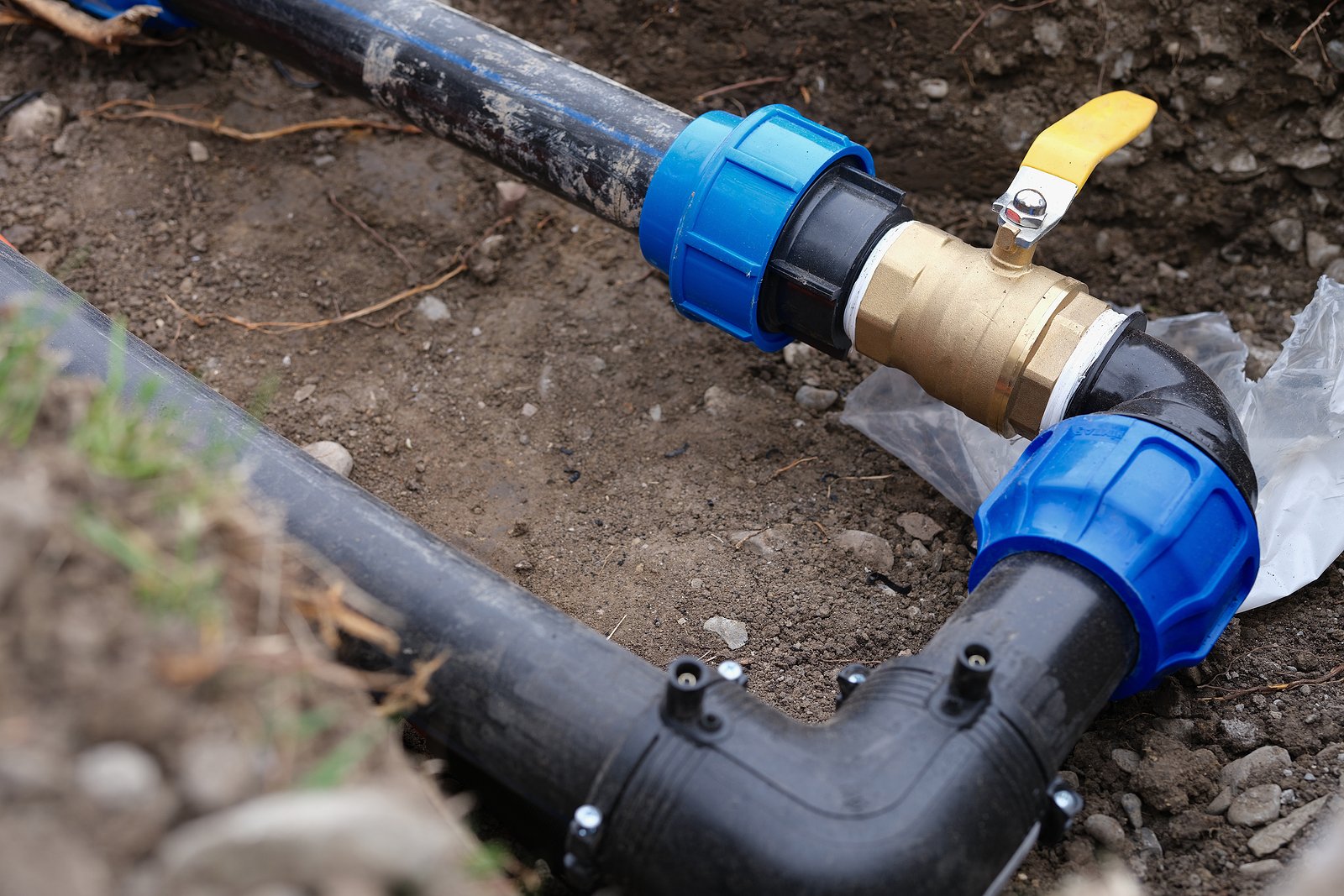
Water pressure should feel steady. A shower should not surge and fade. A sink should not spit air or slow down when another fixture runs. Many homeowners in Schererville notice pressure changes that seem random. The issue often points back to minor corrosion inside water lines. This damage stays hidden for years and slowly changes how water moves through the system.
Corrosion does not need to be severe to cause problems. Small changes inside pipes affect flow, balance, and pressure. Fixtures show the symptoms first, even though the cause sits deeper in the system. Understanding how corrosion works helps homeowners recognize early warning signs and avoid larger failures later.
What Water Line Corrosion Really Looks Like
Corrosion happens when water reacts with pipe material. Over time, metal breaks down and forms rough surfaces, flakes, or narrow spots inside the pipe. This damage rarely looks dramatic at first. The pipe still holds water. Leaks may not appear.
Minor corrosion creates uneven interior walls. Water no longer flows smoothly. Resistance builds in certain sections. Pressure changes based on demand elsewhere in the house. These small restrictions create big changes at faucets and showers.
Why Pressure Fluctuates Instead of Dropping Completely
A fully blocked pipe causes low pressure everywhere. Corrosion works differently. It narrows the pipe in patches. Water pushes through until demand increases. Another fixture turns on. Pressure shifts suddenly.
The result feels inconsistent. A shower weakens when a toilet flushes. A sink surges when another tap closes. These changes feel random but follow the path of resistance inside the pipe.
Corrosion Changes Flow Balance Inside the Home
Water systems rely on balance. Pipes distribute flow evenly to each branch. Corrosion disrupts that balance. One branch may face more restriction than another.
Fixtures closest to the main line may steal pressure. Distant fixtures suffer first. Pressure swings appear based on which fixtures run at the same time. Homeowners often blame the fixture itself instead of the line feeding it.
Early Corrosion Often Starts at Joints and Turns
Pipe joints and bends experience more stress. Water changes direction and speed at these points. Corrosion often starts here.
A small buildup at a joint restricts flow slightly. That restriction affects everything downstream. Pressure loss appears at specific fixtures rather than the whole house. Inspections often reveal corrosion exactly where flow shifts occur.
Mineral Content Speeds Up the Process
Water quality affects corrosion speed. Minerals cling to pipe walls and trap moisture. This accelerates breakdown in metal pipes.
Homes in and around Schererville often experience mineral presence that contributes to corrosion. Over time, pipes lose smooth surfaces and gain resistance. Pressure issues appear long before leaks.
Why Fixtures React Differently
Not all fixtures respond the same way. Shower valves mix hot and cold water. Any imbalance becomes noticeable quickly. Faucets may sputter or pulse. Toilets refill slower or louder.
These differences confuse homeowners. The system seems unpredictable. The cause remains consistent though. Uneven pipe interiors change how water reaches each fixture.
Corrosion Creates Air Pockets
Rough pipe surfaces trap air. When water demand changes, air moves through the line. This causes sputtering and pressure spikes.
Air pockets often appear after pipes sit unused overnight. Morning showers may feel uneven. The issue improves slightly during the day as air escapes, then returns again.
Pressure Regulators Cannot Fix Internal Damage
Many homes rely on pressure regulators. These devices manage incoming pressure from the main supply. They cannot correct internal restrictions.
Corroded sections still restrict flow after regulation. Homeowners replace regulators without solving the problem. Inspections reveal the true cause inside the lines.
Why Cleaning the Lines Does Not Solve Corrosion
Flushing water lines clears debris but does not remove corrosion. Rough surfaces remain. Narrowed sections stay narrow.
Temporary improvement may occur as loose particles flush out. Pressure issues return quickly. Structural damage needs repair or replacement to restore balance.
Hot Water Lines Often Show Symptoms First
Heat accelerates corrosion. Hot water pipes break down faster. Pressure changes appear more often at hot taps.
Homeowners notice showers fluctuate more than cold sinks. This pattern points toward internal pipe wear rather than fixture failure.
Corrosion Weakens Pipe Walls Over Time
Minor corrosion rarely stays minor. As metal thins, pressure stress increases. Pinholes form. Leaks appear unexpectedly.
Pressure fluctuations often act as early warnings. Addressing corrosion early prevents sudden water damage later.
Water Line Problems Commonly Found in This Area
Homes in Schererville and nearby areas often share similar water line issues due to age and material.
Common findings include:
- Corrosion inside older copper or galvanized pipes
- Mineral buildup narrowing pipe diameter
- Rough interior surfaces causing turbulence
- Joint corrosion creating pressure drops
- Hot water line deterioration
Recognizing these patterns helps homeowners act sooner.
Pressure Changes Affect Appliance Performance
Appliances rely on steady pressure. Dishwashers fill unevenly. Washing machines pause or error out. Water heaters strain to maintain flow.
Ignoring pressure issues shortens appliance life. Fixing the source protects the entire system.
Early Action Prevents Larger Repairs
Addressing corrosion early limits damage. Partial pipe replacement or targeted repairs often restore performance. Waiting too long leads to full repiping needs.
Pressure fluctuations serve as a warning sign. Listening to the system saves time, stress, and disruption.
Balanced Flow Restores Comfort
Steady pressure improves daily comfort. Showers feel consistent. Faucets respond smoothly. Appliances run efficiently.
Restoring balance starts with understanding how corrosion affects flow and taking action before failure occurs.
Frequently Asked Questions
Can minor corrosion really affect water pressure?
Yes. Small changes inside pipes disrupt flow and cause noticeable pressure swings.
Why does pressure change when another fixture runs?
Corrosion creates uneven resistance. Water shifts toward easier paths, affecting other fixtures.
Do pressure regulators fix corrosion issues?
No. Regulators control incoming pressure but cannot correct internal pipe damage.
Why do hot water fixtures show problems first?
Heat speeds up corrosion, causing hot lines to deteriorate faster.
Can inspections detect early corrosion?
Yes. Inspections identify rough surfaces and narrowing before leaks appear.
Pressure changes driving you crazy? Call Reichelt Plumbing at (219) 322-4906 for water line inspections and solutions in Schererville.