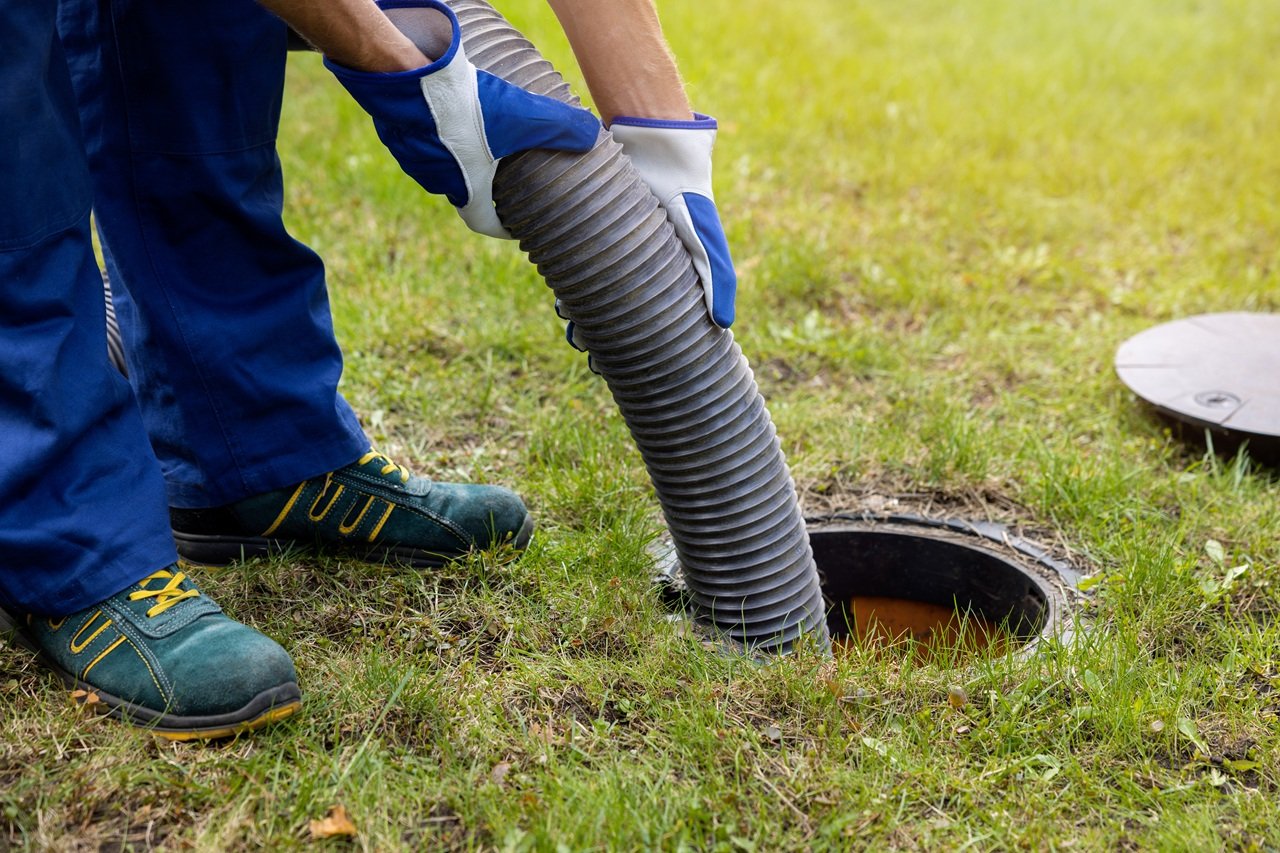
A sewer line can feel fixed after a professional cleaning. Water drains again, toilets flush normally, and backups stop. Weeks or months later, the same trouble shows up. Many homeowners in Schererville experience this cycle and wonder why a problem returns after it seemed solved. The answer usually sits deeper in the system than surface buildup.
Cleaning clears blockages that restrict flow at that moment. It does not correct structural issues, shifting soil, pipe wear, or layout problems. Sewer lines run underground, out of sight, and out of mind. Small defects grow quietly until flow slows again. Inspections reveal the root cause and explain why cleaning alone rarely provides lasting relief. Understanding what inspections uncover helps homeowners make smarter decisions and avoid repeat emergencies.
Sewer Cleaning Treats Symptoms, Not Root Causes
Drain and sewer cleaning removes grease, debris, sludge, and buildup. This restores flow temporarily and relieves pressure inside the line. Cleaning works well for maintenance and minor issues. Many deeper problems survive the process untouched.
Cracks, sagging sections, root entry points, and worn joints remain after cleaning. Water may flow for a while, but the same conditions allow debris to collect again. The line clogs faster each time. Without inspection, homeowners keep treating symptoms instead of addressing the real problem.
Tree Roots Return Faster Than Expected
Roots seek moisture. Sewer lines offer a steady source. Cleaning cuts roots back but does not remove the entry point. Roots grow again through tiny gaps and cracks. Growth accelerates during wet seasons common around Schererville.
Each cleaning leaves roots stronger and more aggressive. The line clogs faster each cycle. Inspections reveal where roots enter and how severe the damage has become. That information guides long term solutions instead of repeated clearing.
Pipe Sag Creates a Hidden Collection Point
Many sewer lines settle over time. Soil shifts, erosion, or poor installation create low spots. These sections trap water and waste. Debris settles instead of flowing out.
Cleaning clears the immediate blockage but leaves the sag untouched. Waste collects again at the same spot. Inspections show the exact location and depth of the sag. Repairs target the problem area rather than guessing.
Cracked Pipes Allow Soil and Debris Inside
Older pipes crack as materials age. Clay, cast iron, and even some plastics degrade over time. Small cracks allow soil, sand, and groundwater into the line.
Cleaning pushes debris downstream but more enters soon after. Inspections reveal cracks that cleaning cannot fix. Early detection prevents collapse and larger failures.
Collapsed Sections Restrict Flow Permanently
Severe damage causes partial collapse. Flow slows but does not stop completely at first. Cleaning improves flow temporarily until debris hits the damaged area again.
Inspections identify collapse early enough for repair planning. Waiting too long risks full blockage and emergency backups inside the home.
Poor Pipe Slope Causes Recurring Backups
Sewer lines rely on gravity. Proper slope keeps waste moving. Too little slope slows flow. Too much slope causes liquids to outrun solids. Both create buildup.
Cleaning helps briefly. Inspections reveal slope issues that cause repeated problems. Correcting slope restores natural flow and prevents recurring clogs.
Joint Separation Develops Over Time
Pipe joints loosen as materials age and soil shifts. Small separations allow roots and debris inside. Cleaning clears material but does not reseal joints.
Inspections show joint condition clearly. Targeted repair stops debris entry and extends the life of the line.
Grease Hardens After Cooling
Grease flows warm and hardens as it cools. Kitchen waste coats pipe walls. Cleaning removes buildup but grease reforms quickly if conditions remain.
Inspections show grease patterns and thickness. This helps determine whether pipe replacement, lining, or usage changes offer the best solution.
Inspections Provide Clear Visual Proof
Camera inspections give real answers. Plumbers see inside the line in real time. No guesswork. Homeowners see exactly what causes the problem.
Visual proof builds confidence in repair decisions. It also prevents unnecessary work. Inspections pinpoint the issue rather than treating the entire line blindly.
Inspections Save Time and Prevent Emergencies
Recurring clogs waste time and money. Emergency backups damage floors, walls, and belongings. Inspections catch problems early before failure.
Early action often costs less and limits disruption. Planning repairs avoids surprise emergencies during storms or holidays.
Inspections Support Smarter Repair Choices
Not every issue requires full replacement. Some lines need spot repairs. Others benefit from lining. Some only need slope correction.
Inspection results guide the right fix. Homeowners avoid overpaying or under repairing. Clear information leads to better outcomes.
Why Recurring Problems Appear Worse Over Time
Each cycle weakens the system. Roots grow thicker. Cracks widen. Sags deepen. Debris builds faster.
Ignoring the cause allows damage to spread. Inspections break the cycle and stop repeat failures.
Sewer Problems Commonly Found in Schererville Area Homes
Many homes in this area rely on older sewer materials and shifting soil conditions. These factors increase repeat issues.
Common inspection findings include:
- Root intrusion through aging joints
- Pipe sag from soil settlement
- Cracked clay or cast iron lines
- Grease buildup near kitchen branches
- Offset joints from ground movement
Understanding these patterns helps homeowners plan ahead.
Inspections Protect Home Value
Hidden sewer problems lower property value. Buyers request inspections more often. Discovering issues early allows repairs before listing or sale.
Documented repairs and inspection reports build buyer confidence and prevent deal delays.
Routine Inspections Reduce Stress
Waiting for backups creates anxiety. Inspections provide peace of mind. Homeowners know the condition of their system and what to expect.
Knowledge removes fear and surprise from sewer ownership.
Frequently Asked Questions
Why does my sewer clog again after cleaning?
Cleaning removes buildup but leaves structural issues untouched. Roots, cracks, or sagging cause repeat clogs.
How often should sewer inspections happen?
Homes with older lines benefit from inspection every few years or after recurring issues.
Can inspections prevent sewer replacement?
Yes. Early detection allows targeted repairs that extend pipe life.
Do inspections damage pipes?
No. Camera inspections travel inside the line without causing damage.
Are inspections useful after a backup?
Yes. Inspections reveal why the backup happened and how to prevent another.
Stop repeat sewer problems with clear answers. Call Reichelt Plumbing at (219) 322-4906 for expert sewer inspections in Schererville.