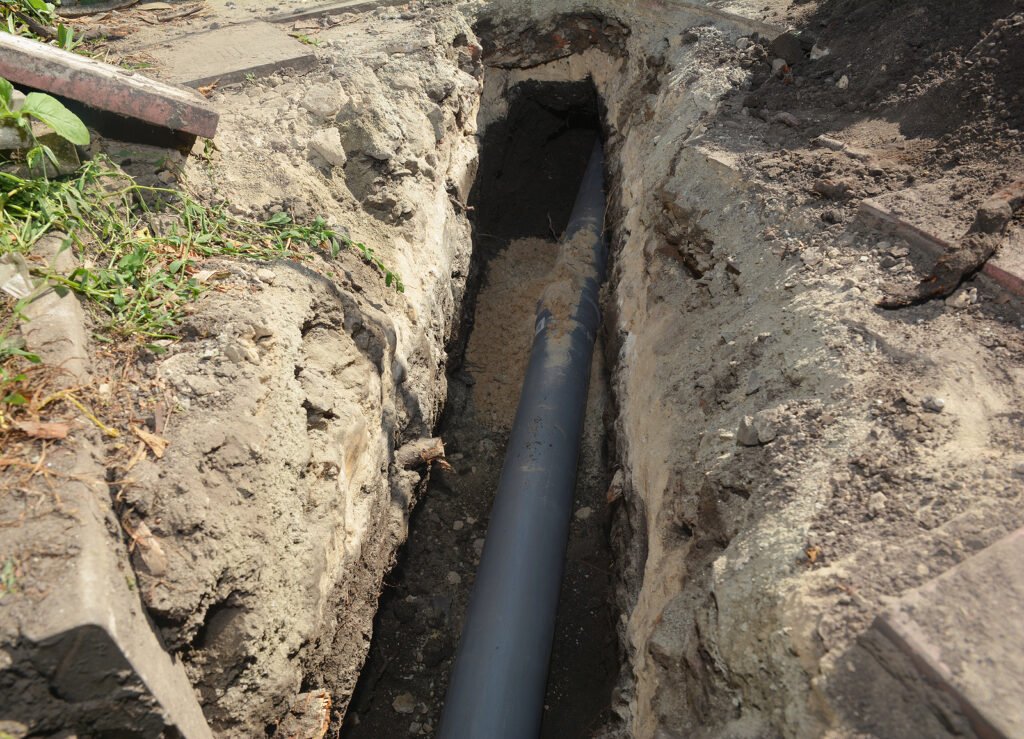
Sewer lines sit out of sight, so most homeowners never think about them until something goes wrong. Slow drains, backups, or strange smells often lead people to assume a simple clog caused the issue. In reality, the material used for the sewer line plays a huge role in how problems develop over time. Pipes do not age the same way. Some weaken slowly, others fail suddenly, and many show warning signs long before a repair becomes urgent. Understanding how different sewer materials break down helps homeowners make smarter decisions and avoid unnecessary repairs.
Inspections matter because guessing wrong costs time, money, and peace of mind. A camera inspection shows what is actually happening inside the pipe, not what someone assumes based on age or symptoms. In areas like Schererville and nearby communities, homes often sit on a mix of older and newer sewer materials. Each type comes with its own risks, lifespan, and failure patterns. Knowing what you have underground gives you control before damage spreads or backups turn into emergencies.
Clay Sewer Pipes and How They Change Over Time
Clay pipes appeared in many older neighborhoods because builders trusted their strength and resistance to rust. At first glance, clay holds up well, but time exposes its weaknesses. Soil shifts, moisture changes, and tree roots slowly work against these pipes. Clay does not flex, so even small ground movement can crack sections or separate joints. Roots often find these joints and push their way inside, catching waste and creating blockages that return again and again.
As clay pipes age, hairline cracks grow larger. Small offsets form where pipe sections no longer line up. These changes rarely show up at the surface. Drains may still work, just slower. Many homeowners try repeated cleanings without realizing the pipe structure causes the problem. An inspection shows cracked walls, root intrusion, and joint separation so repairs target the real cause instead of treating symptoms.
Cast Iron Sewer Lines and Internal Wear
Cast iron sewer pipes served homes for decades and still exist in many mid century properties. These pipes feel solid and strong from the outside, but the inside tells a different story. Over time, waste and moisture eat away at the interior surface. Rust builds up, narrowing the pipe and creating rough edges that catch debris. This process happens slowly, so problems often feel minor at first.
As corrosion advances, the pipe wall thins. Flakes of rust break loose and restrict flow. Eventually, sections weaken enough to crack or collapse. Many homeowners assume recurring clogs point to misuse, not pipe decay. A camera inspection reveals internal corrosion levels and shows whether cleaning will help or whether the pipe has reached the end of its useful life.
Orangeburg Pipes and Unexpected Failure
Orangeburg pipes appeared during material shortages and gained popularity due to low cost. These pipes contain wood fiber and resin, which sounds strange today but once felt innovative. Unfortunately, Orangeburg ages poorly. Moisture causes the material to soften and deform. Pipes lose their round shape and sag, creating low spots where waste collects.
As Orangeburg breaks down, sections collapse inward. Flow slows dramatically or stops altogether. Repairs often become urgent once failure begins. Many homeowners remain unaware they even have this type of pipe. An inspection identifies Orangeburg instantly and helps plan next steps before collapse causes a full backup.
PVC Sewer Pipes and Long Term Performance
PVC sewer pipes dominate modern installations because they resist corrosion and allow smooth flow. These pipes age better than older materials, but they still face risks. Poor installation, shifting soil, or heavy surface loads can cause sagging or separation at joints. Over time, these issues create standing water inside the pipe, which leads to buildup.
PVC failures usually relate to alignment, slope, or joint integrity rather than material breakdown. A camera inspection shows whether the pipe holds proper pitch and reveals any movement that could cause future trouble. Catching these issues early keeps repairs smaller and avoids costly digging later.
Why Symptoms Alone Do Not Tell the Full Story
Many sewer problems look the same from inside the house. Slow drains, gurgling sounds, and odors appear regardless of pipe type. Treating the symptom without understanding the pipe material leads to repeated service calls. A drain snake may clear roots in a clay pipe temporarily, but the cracks remain. Cleaning rust buildup inside cast iron helps flow but does not stop corrosion.
Inspections remove guesswork. Seeing the pipe condition changes the repair approach. Homeowners gain clarity and confidence instead of frustration. This step saves money by preventing unnecessary work and directs attention to solutions that actually last.
What a Sewer Camera Inspection Shows Clearly
A sewer camera inspection provides real time visuals of the entire line. Technicians see cracks, roots, corrosion, sagging, offsets, and material breakdown. They also identify pipe material, joint condition, and slope consistency. This information matters before approving any repair plan.
Inspections also help prioritize urgency. Some issues allow time to plan. Others need immediate attention. Without visual confirmation, homeowners rely on assumptions that often miss hidden damage. Inspection footage turns uncertainty into informed decision making.
How Inspections Guide Smarter Repairs
Not every aging pipe needs replacement right away. Some issues respond well to targeted repairs or lining options. Others require section replacement or full upgrades. An inspection shows which approach fits the situation.
Repairs guided by inspection reduce repeat problems. They also protect property by preventing unexpected failures. In many cases, inspections reveal that cleaning alone will not solve recurring issues. Homeowners who understand their pipe condition feel more comfortable investing in long term solutions.
Why Inspections Matter Before Any Major Work
Major repairs disrupt daily life and landscaping. Starting without a clear diagnosis increases the risk of unnecessary digging. Inspections confirm exact problem locations and conditions, which limits disruption and keeps repairs focused.
In older neighborhoods around Schererville, mixed pipe materials appear often. Transitions between materials create weak points that fail sooner than expected. An inspection identifies these transition areas so repairs address vulnerable spots before they cause backups or leaks.
Common Sewer Line Problems Found in Schererville Area Homes
Sewer systems in this region face unique challenges due to soil conditions, tree growth, and pipe age. Inspections frequently uncover issues homeowners did not expect.
Common problems include:
- Root intrusion through clay or cast iron joints
- Internal corrosion reducing flow capacity
- Pipe sagging that traps waste
- Cracked sections caused by soil movement
- Collapsed areas in aging Orangeburg pipes
Early discovery through inspection keeps these problems from escalating into emergencies.
Frequently Asked Questions
How long do different sewer pipe materials last?
Clay and cast iron pipes often last several decades but degrade internally or crack over time. PVC usually lasts longer with proper installation.
Can a sewer line look fine from the outside but fail inside?
Yes. Many pipes fail internally due to corrosion, root intrusion, or sagging that cannot be seen without a camera.
Do repeated clogs mean the sewer line needs replacement?
Not always. Inspections determine whether cleaning solves the issue or whether structural damage exists.
How long does a sewer camera inspection take?
Most inspections take less than an hour and provide immediate visual results.
Should older homes schedule inspections even without problems?
Yes. Inspections help detect aging issues early and prevent sudden failures.
Get clear answers about your sewer line condition before repairs begin. Call Reichelt Plumbing at [phone] for professional sewer inspections today.