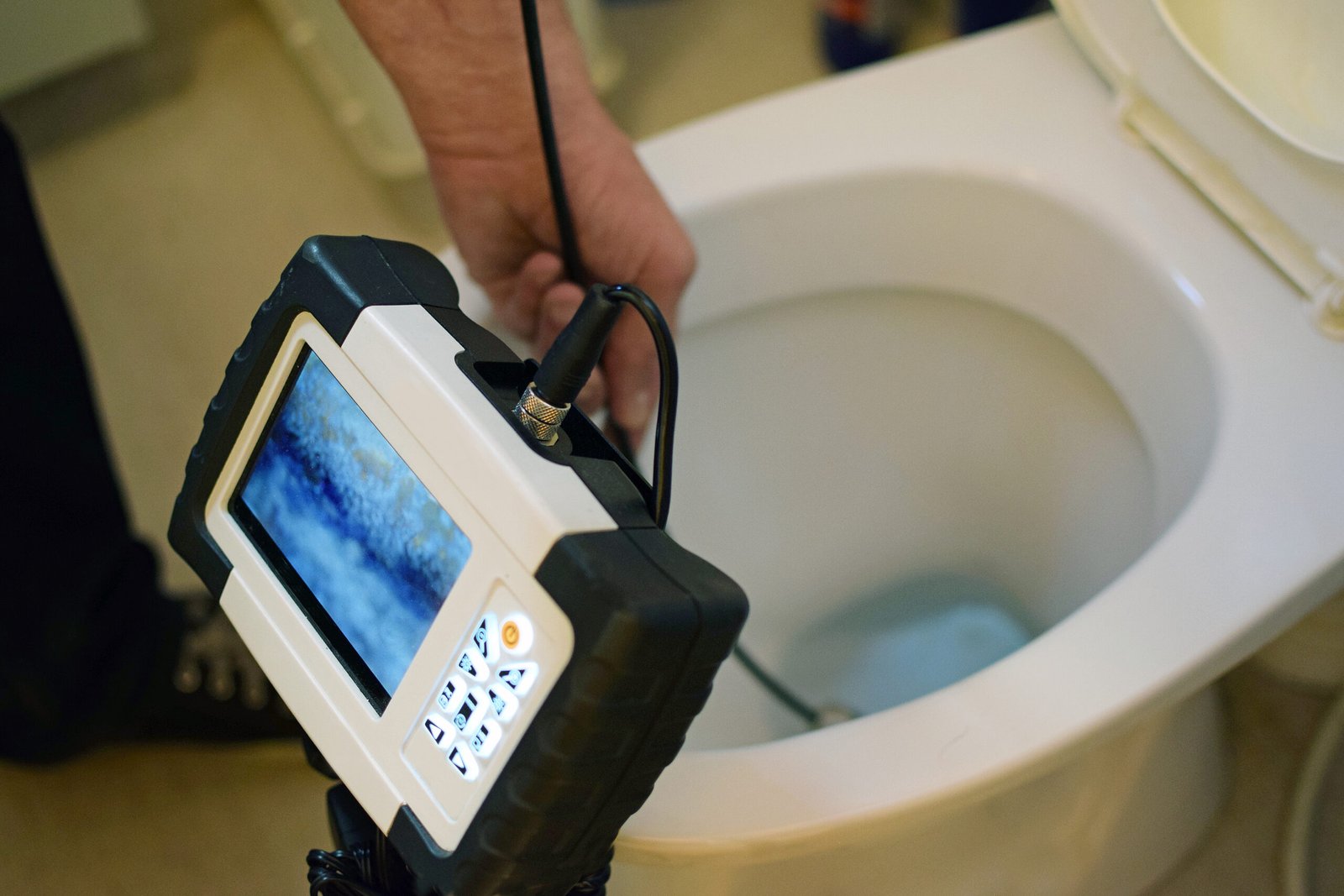
Slow drains frustrate homeowners because they feel unpredictable. One week the sink drains fine, the next week water pools for no clear reason. Many people assume clogs cause every drainage issue, so they reach for cleaners, plungers, or repeated snaking. Those steps may help briefly, yet the problem often returns. Pipe pitch issues sit behind many of these stubborn drain problems, and standard cleaning never fixes them.
Video inspection gives plumbers the ability to see how water actually moves through pipes. That visibility explains why certain drains struggle even after repeated cleanings. Homes across Schererville and nearby areas often deal with subtle pitch problems that stay hidden for years until video inspection reveals the truth.
Why Pipe Pitch Matters More Than Most Homeowners Realize
Pipe pitch refers to the angle at which drain pipes slope downward toward the sewer or septic connection. Gravity moves wastewater through the system, so the slope must stay consistent. Pipes that slope too little allow water to slow down. Pipes that slope too steep allow water to outrun solids.
Either condition causes buildup without a traditional clog. Grease, soap residue, food particles, and waste stick to the pipe walls instead of flowing out. Over time, drainage slows and backups become more frequent.
Pipe pitch problems often develop during remodeling, settling, or older construction practices. The issue stays invisible because the pipe still remains open.
Why Traditional Drain Cleaning Misses Pitch Problems
Snaking and jetting remove buildup but do not change pipe angle. Water flows better for a short period, which gives the impression of success. Once debris begins sticking again, the same symptoms return.
Chemical cleaners worsen the problem by stripping pipe surfaces unevenly. That damage gives debris more texture to cling to, especially in pipes with incorrect slope.
Without seeing the pipe, plumbers cannot confirm whether gravity helps or works against the system. Video inspection removes the guesswork.
How Video Inspection Reveals Pitch Issues Clearly
A drain camera shows how water behaves inside the pipe. During inspection, plumbers watch for signs that indicate improper pitch, such as standing water, slow movement, or sudden drops.
Video inspection reveals:
- Sections where water pools instead of flowing
- Areas where solids collect despite open pipe space
- Transitions where pipes dip or rise unexpectedly
- Evidence of past settling or shifting
These visuals explain recurring problems without relying on assumptions. The footage also helps homeowners understand the issue without technical explanations.
Standing Water Signals a Pitch Problem
Standing water inside a drain pipe should never appear during normal flow. Video inspection often shows shallow pools resting in horizontal sections. That water allows debris to settle and stick.
A partial blockage may mimic the same symptom, but the camera distinguishes between buildup and slope issues. Standing water across a clean pipe section points directly to pitch trouble. This discovery often surprises homeowners who expected to see a clog instead.
Why Older Homes Face Higher Pitch Risks
Many older homes in Schererville feature cast iron or clay piping installed under outdated standards. Over time, soil movement and foundation settling shift those pipes.
Even small shifts change pitch enough to disrupt flow. The pipe may remain intact, which prevents leaks but still causes drainage trouble.
Video inspection documents these changes clearly and helps guide repair decisions without unnecessary excavation.
Remodeling Often Creates Hidden Pitch Problems
Kitchen and bathroom remodels often alter drain paths. Contractors may reroute pipes quickly without verifying slope across the full run.
Video inspection after remodeling frequently reveals:
- Flat sections hidden behind walls
- Sharp transitions that interrupt flow
- Improper connections between old and new piping
Homeowners notice issues months later and assume clogs developed. The camera shows the true cause.
Why Repeated Clogs Point Toward Pitch Issues
Clogs that return in the same location rarely result from user habits alone. Pitch problems create perfect conditions for repeated buildup. Grease lines, soap scum, and waste collect at low points. Cleaning removes the buildup but does not eliminate the low spot.
Video inspection identifies these recurring trouble zones so repairs target the real issue instead of chasing symptoms.
How Video Inspection Saves Time and Prevents Unnecessary Repairs
Guesswork often leads to unnecessary drain replacement or repeated cleanings. Video inspection reduces trial and error by showing exact conditions.
Benefits include:
- Clear diagnosis without digging
- Accurate repair planning
- Reduced repeat service calls
- Visual proof for homeowners
Plumbers use the footage to explain options clearly, which builds trust and avoids overselling.
Common Pipe Pitch Problems Seen in Schererville Homes
Homes in this region face specific challenges tied to soil conditions and construction history.
Common issues include:
- Flat drain lines under slabs
- Sagging pipes near foundation walls
- Improper slope after basement finishing
- Shifting soil affecting underground runs
Video inspection identifies these patterns quickly and guides effective solutions.
Why Drain Cleaning Alone Fails Long Term
Drain cleaning treats buildup, not gravity. Without correcting slope, debris returns. Video inspection clarifies when cleaning makes sense and when structural adjustment becomes necessary. Homeowners save money by avoiding repeated cleanings that never solve the problem.
FAQs About Video Inspection and Pipe Pitch Problems
How does video inspection detect pipe pitch issues?
Cameras show standing water, slow flow, and uneven pipe angles that signal slope problems.
Can pipe pitch problems exist without clogs?
Yes, improper slope causes buildup without fully blocking the pipe.
Does every slow drain mean pipe pitch trouble?
No, clogs still happen, but recurring slow drains often point to pitch issues.
Will fixing pitch require digging?
Some repairs involve localized adjustments, while others may need targeted excavation.
Is video inspection useful after remodeling?
Yes, inspection confirms proper installation and prevents long term drainage issues.
Recurring slow drains may hide a pitch problem. Reichelt Plumbing provides professional video inspections in Schererville. Call (219) 322-4906 today.