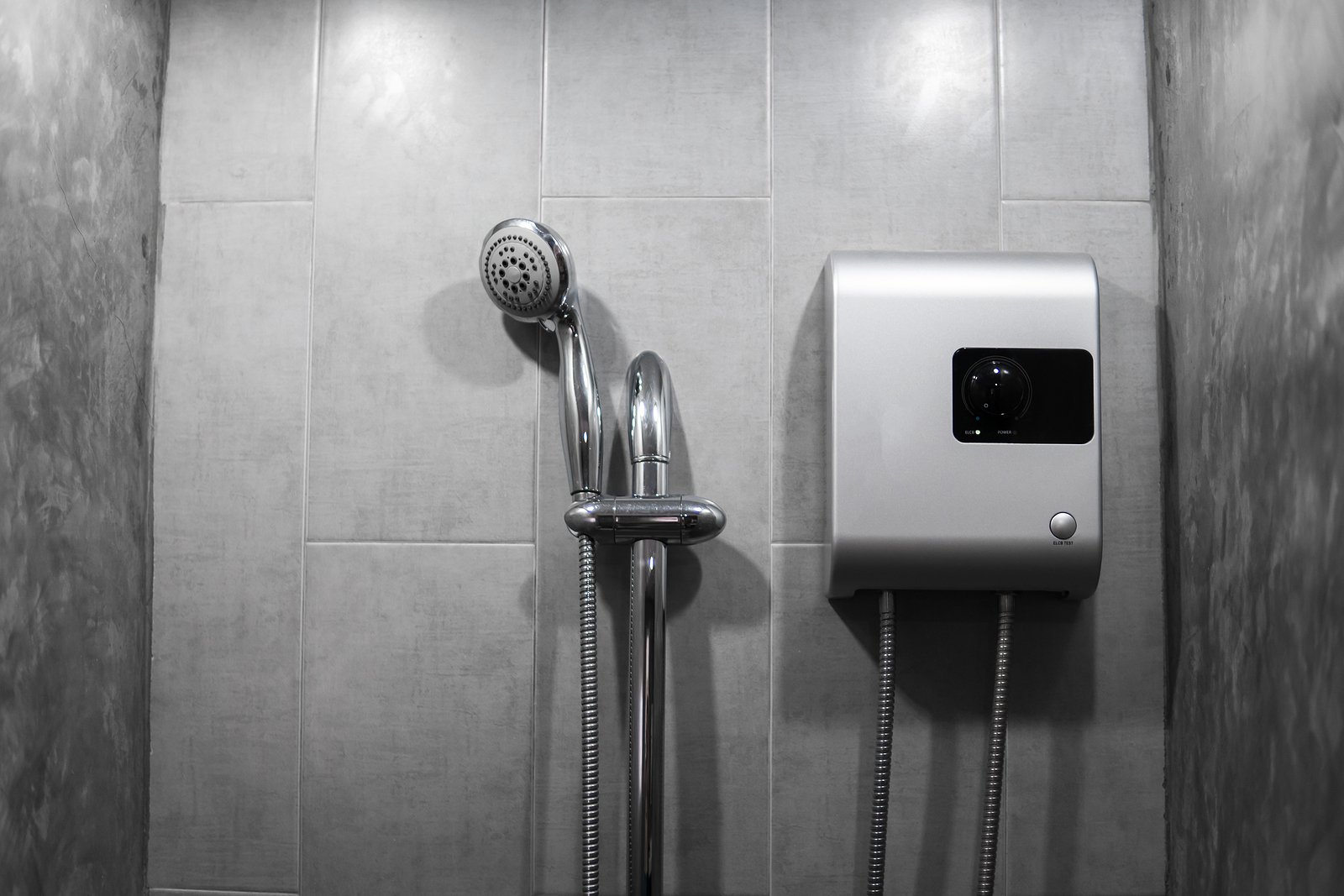
Tankless water heaters are gaining popularity because they provide endless hot water, save space, and can reduce energy waste. Many homeowners in Schererville, IN, are interested in switching from traditional tank-style units to tankless systems. But once they start planning the upgrade, they often hit an unexpected wall: their homes simply aren’t built to handle these systems.
A tankless water heater demands more from your home’s gas, electrical, and plumbing systems than older water heaters. Without the proper setup, the system won’t work efficiently, or at all. The good news is that with the right updates, your home can be made tankless-ready. This guide explains why so many homes aren’t compatible yet and what can be done to fix that problem.
Why Traditional Plumbing Layouts Don’t Support Tankless Systems
Older homes were designed for storage-style water heaters that keep a large tank of water heated at all times. These systems work on a completely different principle than tankless water heaters, which heat water on demand.
Because of this design difference, the infrastructure in many homes isn’t equipped to handle the specific needs of a tankless unit. These systems often require:
- Higher gas pressure or larger gas lines
- Specialized venting for exhaust gases
- Adequate water flow rates
- Sufficient electrical capacity for ignition and controls
When any of these factors fall short, the tankless system struggles to deliver hot water consistently. Before upgrading, a professional plumber must assess whether your home’s setup can support this technology.
Gas Supply Issues That Limit Tankless Water Heater Installation
Many tankless water heaters need significantly more gas flow than traditional systems. Older gas lines, which were installed decades ago, often can’t handle that extra demand.
For example, a standard tank water heater might need around 40,000 BTUs, while a tankless unit could require up to 200,000 BTUs or more. That’s a big difference in energy needs. If your gas line is too small, it won’t supply enough fuel for proper operation.
To fix this, plumbers often need to replace or upsize the gas line to ensure steady pressure. They might also need to install a dedicated line for the heater to prevent performance issues with other appliances like furnaces or stoves. With proper sizing, your tankless system will heat water efficiently and safely.
Electrical Systems That Fall Short
Even gas-powered tankless systems need electricity to operate the controls, sensors, and ignition components. Some homeowners in Schererville find out too late that their electrical panels don’t have the capacity to handle these requirements.
If your system is fully electric, it may demand even more power, sometimes requiring a new breaker or upgraded panel. Without this upgrade, you could experience tripped circuits or system failures.
A certified plumber or electrician can check your home’s power availability and add the necessary breaker or dedicated circuit. This ensures that your tankless water heater operates without interruption and keeps your system safe.
Venting Problems in Older Homes
Venting is one of the most overlooked parts of a tankless installation. Traditional water heaters often vent through a chimney or basic pipe, but tankless systems require sealed, direct-vent systems.
This means they need specific materials, like stainless steel or PVC, that can safely handle high-temperature exhaust. They also need to vent directly outdoors, usually through an exterior wall.
Homes built before tankless water heaters existed usually don’t have the correct venting paths. A professional plumber can install the proper venting system while ensuring it meets local building codes. Proper venting keeps your home safe, prevents gas buildup, and allows your system to run efficiently.
Low Water Flow and Pressure Problems
A tankless water heater needs a consistent flow of water to activate the heating mechanism. If the flow rate is too low, the system won’t turn on. In older homes, outdated pipes or mineral buildup can restrict water movement.
You may notice that hot water cuts off intermittently or that the heater doesn’t start at all when flow rates drop. Upgrading old plumbing and removing buildup can restore the proper water pressure.
Sometimes, installing a new pressure regulator or replacing small-diameter pipes solves the issue. Regular maintenance, such as descaling and cleaning, also keeps your tankless system running smoothly.
Sizing Mistakes That Affect Performance
Even if your home has the right gas, venting, and water flow, the tankless unit itself must be properly sized. Many homeowners underestimate their household’s hot water needs, especially during peak times like mornings or evenings.
If your unit is undersized, it won’t provide enough hot water for multiple uses at once, like running the shower and dishwasher simultaneously. An experienced plumber will calculate your home’s hot water demand and recommend a system that meets your needs. This ensures comfort without wasting energy.
Making Your Home Tankless-Ready: Professional Solutions
A tankless upgrade is not just an equipment swap, it’s a system upgrade. A licensed plumber from Reichelt Plumbing can inspect your gas, venting, water, and electrical systems to identify what needs updating.
Steps often include:
- Upgrading gas lines for higher BTU capacity
- Installing new venting for safe exhaust
- Adjusting or replacing plumbing for consistent water flow
- Upgrading electrical connections for reliable operation
- Recommending the right unit size based on your home’s needs
These updates prepare your home for the future of water heating and make sure your investment delivers the performance you expect.
Common Water Heater Upgrade Problems We Solve in Schererville, IN
Many homeowners in Schererville face similar issues when switching to tankless systems. Here are a few of the most common problems our experts at Reichelt Plumbing resolve:
- Low gas pressure or outdated gas lines
- Insufficient venting for exhaust gases
- Poor water pressure or inconsistent flow
- Incorrect electrical connections or limited power
- Undersized water heater for household demand
- Cold-weather performance challenges
Our team understands the plumbing needs of local homes and can design upgrades that ensure long-term efficiency and comfort.
FAQs About Tankless Water Heater Installation in Schererville, IN
Q1: Why can’t I just replace my old water heater with a tankless one?
Most homes need gas, venting, or plumbing updates before a tankless system will work properly.
Q2: How long does it take to install a tankless water heater?
A standard installation can take a few hours, but homes that need upgrades may take a full day or more.
Q3: Do tankless water heaters work well in cold weather?
Yes, as long as the system is sized correctly and installed with proper insulation to handle colder groundwater temperatures.
Q4: How long do tankless water heaters last?
With regular maintenance, most units can last 20 years or more, which is longer than traditional tank systems.
Q5: Can Reichelt Plumbing make my home ready for a tankless water heater?
Absolutely. Our licensed plumbers in Schererville can inspect your system, make any required upgrades, and install your new tankless unit safely.
Make your home ready for the comfort and efficiency of a tankless water heater. Call Reichelt Plumbing today at (219) 322-4906 for professional inspection, upgrades, and installation in Schererville, IN, and nearby areas. Our experts will make sure your system runs safely and efficiently for years to come.