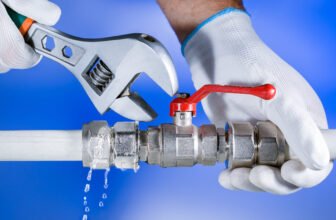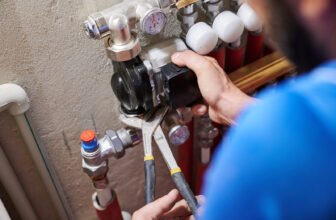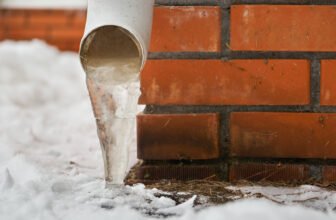
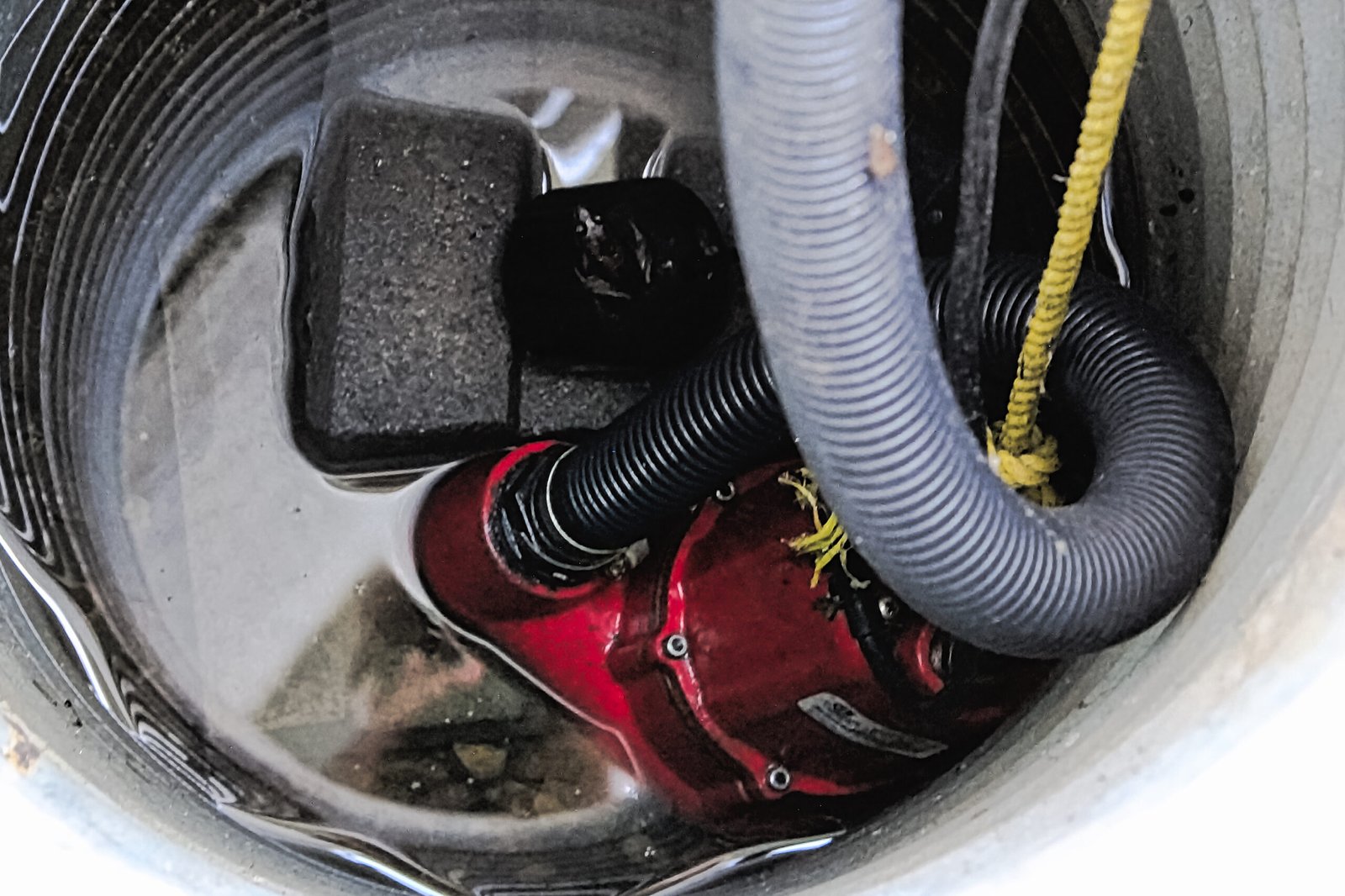
A hard storm blows through Schererville, the power flickers, and your sump pump starts humming. Hours later, it still runs. The weather clears, yet the pit keeps filling like a faucet left on. Many homeowners chalk it up to “high groundwater” and hope the pump survives. The truth often hides in plain sight. Roof water may loop back to the footing drains. A failed check valve can send the same water up and down the pipe all night. A kinked discharge keeps the pump fighting a losing battle. Small fixes in the right spots bring fast relief, protect the motor, and keep your basement dry. This guide walks you through smart checks, hidden causes we see across Lake County, and lasting upgrades that meet local code and hold up in Midwest storms.
A Five-Minute Triage You Can Do Today
Start simple and take quick notes. You’ll either solve it on the spot or give a tech the clues to fix it fast.
- Power and reset
Plug the pump directly into the outlet. Cycle the plug once. Listen for a smooth start and a steady tone. - Float moves freely
Lift the float by hand. The pump should start. Lower it and confirm it shuts off. Free any cords or debris that snag the float. - Check valve direction
Find the check valve on the vertical discharge pipe. The arrow must point up. Shake it lightly. Water sloshing above it or a hollow clunk often means the flap sticks. - Weep hole present
Look for a small factory hole in the pipe just above the pump or a drilled relief hole per the maker’s instructions. That hole prevents an airlock. - Discharge outside
Walk the yard. The outlet should sit well away from the foundation with a tight connection and no kinks. Make sure it doesn’t dump into a window well, French drain, or onto a frozen splash block.
If the pump still runs nonstop after those checks, dig into the hidden causes below.
Hidden Cause #1: The “Recirculation Loop” Near The Foundation
Stormwater often finds a way back to the pit. Short downspout extensions spill water right beside the footing, and that water flows into the drain tile, then into the basin, and the cycle repeats.
Signs
- Water pours out of the discharge right onto a splash block next to the wall
- Downspouts end within a few feet of the foundation
- The pit refills fast, even with light rain
Fixes that last
- Extend downspouts 15–20 feet away from the home with rigid pipe or buried drains that daylight to the yard
- Pitch the soil so it slopes at least 6 inches over 10 feet away from the wall
- Route the sump discharge to a safe location that doesn’t drain back to the footing
- Keep extensions above grade in winter or use freeze-proof fittings
Hidden Cause #2: Failed Or Missing Check Valve
A check valve keeps pumped water from falling back into the pit. A stuck flap or a missing valve forces the pump to move the same water over and over.
Signs
- The pit drops while the pump runs, then rises quickly the moment it stops
- Short, rapid cycles with little real progress
- Loud clunk or chatter on shutoff
Fixes that last
- Install a quality union-type check valve, arrow up, a few feet above the pump
- Replace any old spring-style valve with a quiet flapper type rated for sump use
- Add a relief hole between the pump and check valve if the manufacturer calls for it
Hidden Cause #3: Float Switch Trouble
Floats stick. Cords tangle. Slim pits force the float to rub the pipe. Any of these can keep a pump running far past the normal level.
Signs
- The pump runs with very little water left in the basin
- The float arm catches on the discharge pipe or power cord
- Pump shuts off only after a hard tap on the pipe or lid
Fixes that last
- Use a vertical rod float or a wide-range diaphragm switch designed for tight pits
- Mount the cord and discharge so nothing snags the float
- Set “on” and “off” heights with a generous gap to avoid rapid short cycling
Hidden Cause #4: Discharge Line Restrictions
Water that can’t leave the yard comes right back to the pit. Corrugated pipe collapses, long runs sag, and winter brings ice.
Signs
- Weak flow at the outlet or no visible discharge while the pump hums
- Hose feels heavy with water trapped in bellies
- Ice at the outlet after a thaw/freeze cycle
Fixes that last
- Replace corrugated hose with smooth-wall PVC, glued and supported
- Keep bends gentle and limit elbows
- Pitch the line to drain fully when the pump shuts off
- Add a freeze-relief fitting or a Y-style pop-off near the house for winter
- Screen the outlet to keep critters out
Hidden Cause #5: Roof, Yard, Or Floor Drains Tied To The Footing Tile
Older homes sometimes tie gutters or yard drains into the footing system. Heavy storms then push the roof and yard water straight into the pit, long after the sky clears.
Signs
- Gushers from the pit when a downspout dumps water
- Continuous flow into the basin hours after rain ends
- Yard drains that gurgle when the pump kicks on
Fixes that last
- Separate the roof and yard drains from the footing tile
- Send roof water to daylight, a dry well, or an approved storm connection
- Seal any cross-ties that feed the sump
Hidden Cause #6: Household Leaks Feeding The Pit
Not all “after-storm” water comes from outside. A cracked sprinkler line, a hose bib that never fully closes, or a whole-house humidifier stuck open can feed the sump all day.
Signs
- Pump runs during dry weather
- Constant trickle into the pit even with no rain in days
- Water meter spins with all fixtures off
Fixes that last
- Dye test the pit with food coloring, then look for colored water at suspected drains
- Inspect irrigation and hose lines
- Route water softener discharge and laundry to a proper drain, not the sump (local codes prohibit those into a sump)
- Repair any leaking humidifier or A/C condensate line
Hidden Cause #7: Wrong Pump For The Job
A small pump with a high lift and a long discharge will run continuously and still fall behind.
Signs
- Motor runs hot to the touch
- The flow seems weak at the outlet
- The basin never reaches the off level during storms
Fixes that last
- Match the pump’s horsepower and gallons-per-minute to your pit size, vertical lift, and discharge length
- Step up to a cast-iron, continuous-duty unit with a sealed motor and thermal protection
- Use a dual-pump setup: primary handles the work; a higher-set secondary takes the surge
Hidden Cause #8: Basin Size And Layout
A tiny basin forces rapid starts and stops. Long, winding tile runs dump in at one spot and churn the water, which keeps the float up.
Signs
- On/off cycling every 10–30 seconds
- A jet of water aimed straight at the float
- Sediment buildup that narrows the basin
Fixes that last
- Upgrade to a deeper or wider basin where space allows
- Add baffles or redirect inlets so the jet doesn’t pin the float
- Vacuum the silt from the pit each season
Hidden Cause #9: City or Combined Sewer Influence
Some basements still have floor drains tied into combined sewers. Heavy storms push water back through that tie and into the drain tile or pit.
Signs
- Floor drain burps during a storm
- Pit rises fast while streets flood
- Musty sewer smell near the floor drain
Fixes that last
- Install a backwater valve on the floor drain line per local rules
- Work with the city to confirm what ties to what
- Isolate the footing drains from any combined connection
Schererville-Smart Prevention Plan
Clay soil around town holds water and releases it slowly. Lake-effect rains can stack up quickly. Build a simple plan that fits those conditions:
- Keep gutters clean and downspouts extended 15–20 feet
- Discharge the sump to daylight on the down-slope side of the yard
- Add a high-water alarm you can hear upstairs and a battery backup pump for outages
- Service the check valve and float every spring and fall
- Insulate or heat-trace vulnerable exterior sections of the discharge before deep winter
- Schedule a drain tile camera check every few years on older homes
A Clear Diagnostic Flow You Can Follow
- Check float → free it or replace the switch
- Inspect check valve → install or replace, verify arrow up
- Confirm relief hole → clear it per manufacturer
- Watch the outlet → improve slope, remove kinks, thaw ice, extend away from the house
- Separate roof/yard drains from footing tile
- Leak hunt inside → meter test and dye test
- Size the pump to lift and run length → consider dual pumps
- Enlarge or re-baffle the basin if short cycling continues
Solve the causes in that order and the nonstop hum turns into quiet, predictable cycles.
FAQs: Nonstop Sump Pumps After Storms In Schererville, IN
1) How long should a sump pump run after a heavy storm?
Most pumps in a healthy system cycle on and off every few minutes, then taper down within a few hours. If yours runs straight through the night, a check valve, discharge, or tie-in issue likely feeds the pit.
2) How far should I run my sump discharge from the house?
At least 10 feet; 15–20 feet works better in our clay soils. Aim for daylight on a slope that carries water away, not toward a neighbor or a swale that drains back.
3) Do I need a relief (weep) hole in the discharge pipe?
Many makers call for a small hole between the pump and the check valve. That hole vents trapped air so the pump primes and doesn’t airlock. Follow your pump’s manual for size and location.
4) Is it okay to send downspouts or a water softener to the sump?
No. Local code treats the sump as groundwater control, not a catch-all. Roof and yard drains should go to daylight or an approved storm line. Water softeners and laundry must go to a proper sanitary drain.
5) Will a battery backup help with nonstop running?
A backup keeps water moving during outages and buys time during surge flow. It won’t solve a failed check valve or bad discharge line, so fix those first, then add backup and an alarm for peace of mind.
Need A Quiet, Reliable Sump System?
Stop the nonstop hum and protect your basement. Call Reichelt Plumbing at (219) 322-4906 for expert sump pump diagnosis, discharge upgrades, and code-compliant fixes in Schererville, IN. Our local team separates stormwater from footing drains, installs quiet check valves, sizes pumps correctly, and adds smart backup and alarms so your system works every time.